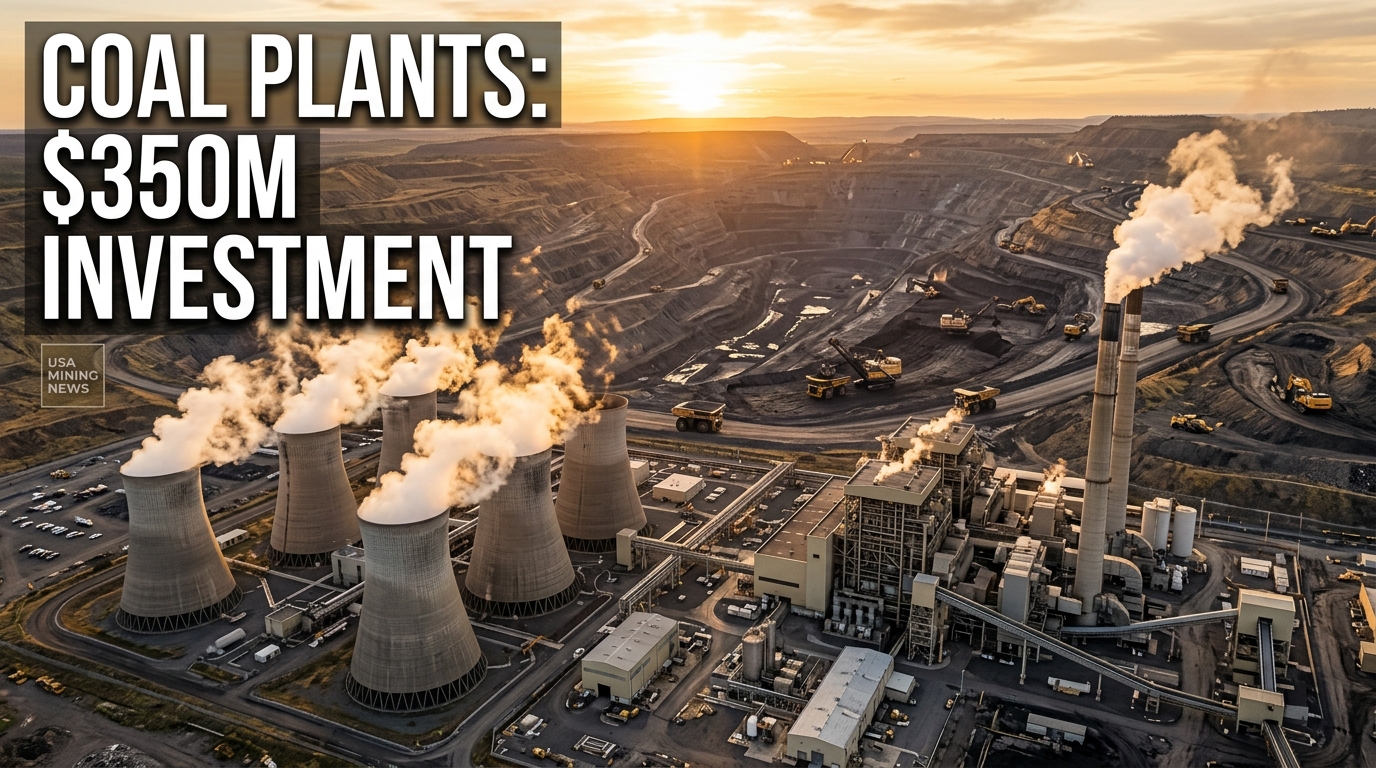
WASHINGTON D.C. – On June 4, 2026, the U.S. Department of Energy (DOE) unveiled a significant federal investment aimed at bolstering America’s coal-fired power generation infrastructure. The DOE announced the selection of four pivotal coal modernization and reliability projects, earmarking up to $350 million to expand and reinvigorate the nation's coal fleet. This initiative comes as part of the broader "Restoring Reliability: Coal Recommissioning and Modernization" program, which has committed a total of $525 million to fortify coal-based generation, improve grid reliability, and strengthen strategic energy infrastructure across the United States.
The announcement emphasizes a strategic shift towards supporting and extending the operational life of coal-fired assets, with a stated goal of enhancing efficiency, prolonging plant life, and ensuring reliable baseload power generation. For the U.S. mining industry, particularly the thermal coal sector, this represents a crucial signal of sustained demand and a renewed federal commitment to coal as a foundational component of the nation's energy mix.
DOE Unveils Major Investment for Coal Infrastructure
The total funding opportunity under the "Restoring Reliability: Coal Recommissioning and Modernization" initiative amounts to $525 million. Of this, $175 million has already been allocated to six previously announced projects focused on upgrading existing coal facilities. The latest announcement, however, directs substantial capital towards projects with even more direct implications for capacity expansion and recommissioning. The newly selected four projects, receiving up to $350 million, are projected to add or preserve approximately 3,565 megawatts (MW) of coal-fired generation capacity. This capacity is sufficient to serve an estimated three million U.S. households annually, underscoring the scale of this investment in the context of electrical supply.
U.S. Secretary of Energy Chris Wright articulated the administration's rationale, stating, "American coal miners remain essential to American energy dominance." Secretary Wright further commented on past policies, asserting that "previous leaders launched relentless attacks on U.S. coal workers and industry, threatening grid reliability and driving energy prices higher for the American people." He credited President Trump with "not only stopping the premature closure of our coal plants, but also taking steps to expand and modernize existing coal infrastructure." These comments highlight a definitive policy reversal aimed at ensuring what the DOE describes as "affordable, reliable, and secure energy access for decades to come."
Echoing these sentiments, DOE Undersecretary of Energy Kyle Haustveit emphasized, "Affordable, reliable energy is the foundation of human prosperity and economic growth." Undersecretary Haustveit affirmed that "these investments will help unleash America’s coal miners so they can continue delivering the energy our nation needs to keep the lights on and power the future. Rest assured, coal will play a critical role in our nation's long-term energy security." Such statements reinforce the administration's view of coal as a critical asset for long-term energy stability and economic vitality.
Strategic Projects to Boost Coal Capacity
The $350 million investment will support a diverse range of projects designed to achieve different objectives within the coal power generation ecosystem:
- New Plant Construction (2,850 MW): Two significant projects aim to construct entirely new coal-fired power plants. These are planned for Anchorage, Alaska, and Mt. Storm, West Virginia, and combined, they represent a substantial capacity addition of 2,850 MW. This marks a notable development in an era where new coal plant construction has been rare in the U.S.
- Existing Plant Modernization (510 MW): One project in Guayama, Puerto Rico, will focus on retrofitting and modernizing an existing 510-MW coal-fired plant. This type of investment typically involves upgrades to improve efficiency, reduce emissions, and extend the operational life of the facility, allowing it to continue providing stable power.
- Plant Recommissioning (205 MW): A facility in Cumberland, Maryland, which ceased operations in 2024, is slated for recommissioning. This project aims to bring back online a 205-MW coal facility, directly restoring lost capacity to the grid. The recommissioning of a recently shuttered plant signals a direct intervention to reverse capacity retirements.
These varied projects demonstrate a comprehensive strategy to address different facets of the coal fleet's lifecycle, from building new capacity to extending the life of existing plants and even reversing recent closures.
Implications for the U.S. Mining Sector
For the U.S. mining industry, particularly those involved in thermal coal extraction and supply, this DOE announcement carries profound implications. The commitment to build new coal plants, modernize existing ones, and recommission a recently closed facility injects a discernible degree of stability and potential growth into a sector that has faced considerable headwinds. The preservation and addition of 3,565 MW of coal-fired capacity translate directly into a sustained, and in some areas, increased demand for approximately 10 to 12 million tons of thermal coal annually, depending on capacity factors and coal characteristics.
Coal producers in regions such as Appalachia (relevant to the West Virginia and Maryland projects) and potentially the Western U.S. (for Alaska) could see renewed interest and demand for their products. This could translate into:
- Stabilized Demand: A deceleration or reversal of the decline in domestic thermal coal consumption.
- Job Security: Enhanced job security for coal miners and associated support industries in regions reliant on coal production.
- Investment Incentives: Potential for new investments in mining operations, infrastructure, and technology to meet sustained demand.
- Supply Chain Strengthening: A reinforcement of the logistical and transportation networks supporting coal delivery to power plants.
The emphasis on "American energy dominance" also suggests a preference for domestically sourced fuels, reinforcing the role of U.S. coal producers in national energy security strategy. Miners, service providers, and equipment manufacturers stand to benefit from these investments, which signal a governmental willingness to support the entire coal value chain.
Broader Grid Reliability and Energy Security Context
The DOE's rationale for these investments centers on grid reliability and strategic energy infrastructure. Coal-fired power plants are traditionally valued for their ability to provide baseload power – a consistent, dependable supply of electricity that forms the backbone of the grid. Unlike intermittent renewable sources such as solar and wind, coal plants can operate continuously, offering stability and dispatchability that are crucial for balancing the grid and ensuring power availability during peak demand or when renewable generation is low.
The context provided by Secretary Wright and Undersecretary Haustveit points to a broader administration concern about the impacts of rapidly retiring baseload capacity on grid resilience and energy costs. By investing in coal, the DOE is prioritizing a diversified energy portfolio that includes robust, "always-on" generation to prevent blackouts and manage price volatility. This perspective positions coal not merely as a transitional fuel, but as a critical, long-term component of the nation's energy security strategy.
Challenges and Future Outlook
While this announcement provides a significant boost to the coal industry, the broader energy landscape continues to evolve. The long-term viability of coal will inevitably face considerations related to environmental regulations, carbon emissions, and the ongoing development of carbon capture and storage (CCS) technologies. However, the immediate impact of this federal funding marks a clear policy directive.
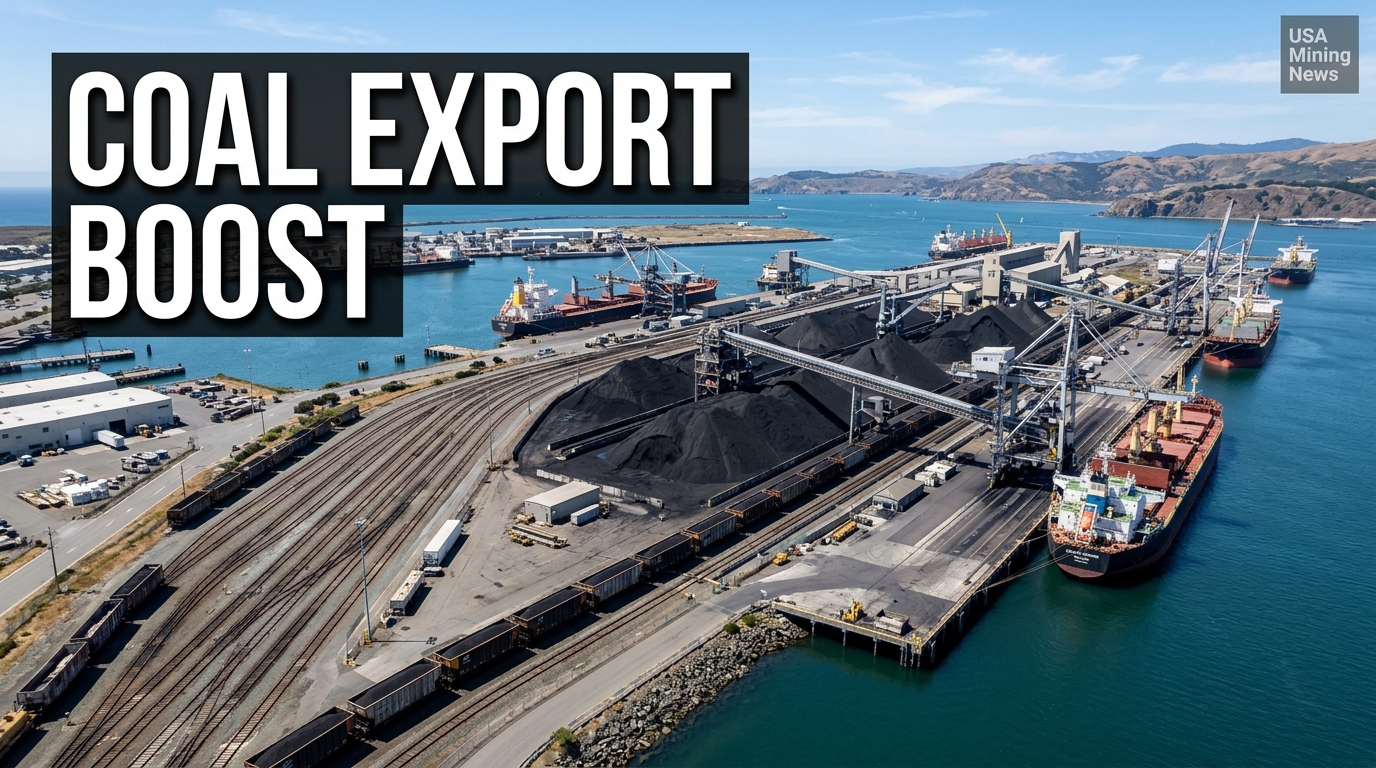
Further underscoring this strategic direction, additional press releases from the DOE on the same day highlight a broader pattern of support. One such release referenced the use of Defense Production Act funding to expand coal capacity at 13 plants and build export infrastructure. Another detailed efforts to keep coal-fired power generation alive in Florida. These concurrent announcements suggest a comprehensive, multi-pronged approach by the DOE to significantly shore up and expand the U.S. coal sector.
For mining industry professionals and investors, these developments warrant close attention. The DOE's investment signals a renewed federal commitment to coal that could alter demand forecasts, stimulate regional economies tied to coal production, and influence capital expenditure decisions across the mining and power generation sectors for years to come.