Emergency Order Secures Mid-Atlantic Grid: Critical Implications for Industrial Stability and Mining Operations
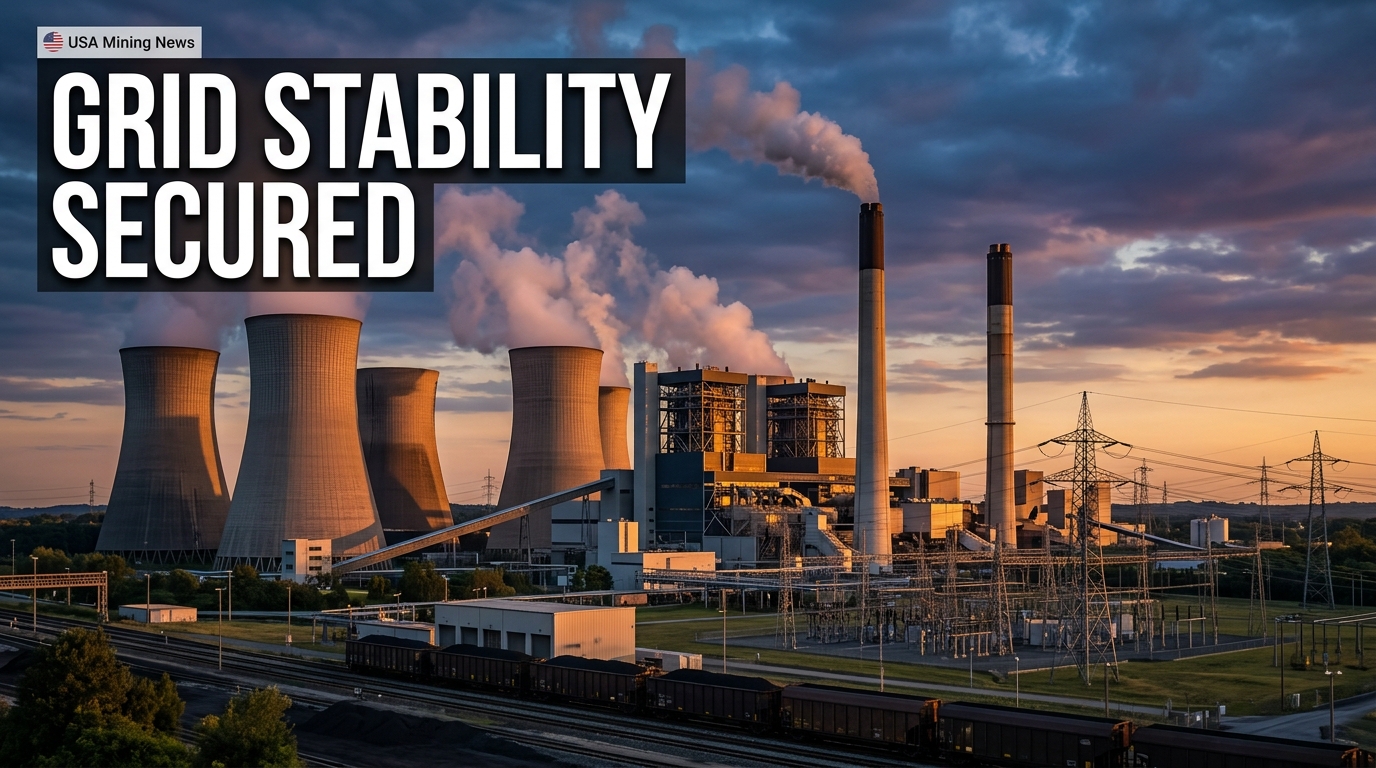
WASHINGTON D.C. – In a decisive move to fortify the Mid-Atlantic’s electrical infrastructure, U.S. Secretary of Energy Chris Wright on August 19, 2026, invoked emergency powers under Section 202(c) of the Federal Power Act. This critical order permits Unit 4 at the Wagner Generating Station, located in Anne Arundel County, Maryland, to continue its operations beyond its established limits, specifically from August 20, 2026, through November 17, 2026. The intervention, requested by PJM Interconnection, L.L.C. (PJM), in coordination with Talen Energy Corporation, is designed to enhance grid reliability and mitigate the risk of energy shortfalls across a vast service territory encompassing 13 states and the District of Columbia.
The urgency behind Secretary Wright’s directive highlights the persistent challenges facing grid operators in balancing electricity supply and demand, particularly during periods of extreme weather and evolving energy consumption patterns. For the mining industry, which is inherently energy-intensive and increasingly reliant on stable power for advanced operations, these grid stability measures are not merely a regional concern but a fundamental requirement for sustained productivity and strategic growth.
The Core of the Emergency Order: Wagner Unit 4 and PJM's Strategic Request
The emergency order directly addresses a pressing need identified by PJM, the regional transmission organization responsible for operating a competitive wholesale electricity market and managing the high-voltage transmission grid in the Mid-Atlantic. PJM’s request to the U.S. Department of Energy (DOE) emphasized the necessity of keeping Wagner Unit 4 operational beyond its current regulatory limits to meet anticipated electricity demand. This particular unit, part of the Wagner Generating Station, plays a pivotal role in providing dispatchable power to the grid.
According to Secretary Wright, “Energy shortfalls for 65 million Americans are simply unacceptable.” He further affirmed, “Previous orders in the Mid-Atlantic region have helped keep the lights on and I am confident this order will help do so in the coming months as well. Today’s order helps temporarily address the urgent need to strengthen grid reliability and ensure Americans across the Mid-Atlantic region have access to affordable, reliable, and secure energy regardless of whether the sun shines or wind blows.” This statement underscores the administration’s commitment to energy security and the proactive measures being taken to prevent service interruptions for a significant portion of the U.S. population.
This is not the first instance of such an intervention for Wagner Unit 4. Secretary Wright had previously granted PJM’s requests to operate the unit beyond its limits earlier in the summer of 2026. These prior activations were crucial during periods of unusually high temperatures, which drove up electricity demand significantly, exhausting the unit’s remaining operating hours. PJM’s continued assertion to the DOE that Wagner Unit 4 remains essential for meeting high electricity demand and preventing outages indicates a structural or temporary capacity deficit within the region’s generation mix.
Addressing Demand-Supply Dynamics: Why Baseload Capacity Remains Crucial
The recurring need for emergency orders to sustain the operation of facilities like Wagner Unit 4 points to a broader dynamic within the national energy landscape. As the grid transitions towards a greater reliance on intermittent renewable energy sources such as solar and wind, the role of firm, dispatchable generation – often from natural gas, coal, or nuclear plants – becomes even more critical. These conventional power plants are vital for providing baseload power and ensuring grid stability when renewable output fluctuates or during peak demand periods, as seen with the “unusually high temperatures” earlier this summer.
For industrial consumers, especially in sectors like mining, consistent and reliable electricity is non-negotiable. Modern mining operations involve continuous processes such as crushing, grinding, flotation, and smelting, all of which require substantial, uninterrupted power. Even momentary power fluctuations or outages can lead to significant operational disruptions, equipment damage, safety hazards, and substantial financial losses due. A stable grid enables the efficient operation of sophisticated machinery, automation systems, and critical safety infrastructure, minimizing downtime and maximizing productivity.
The Mid-Atlantic region, with its diverse industrial base, relies heavily on a robust electrical grid. Any threat to grid stability, even if temporary, has ripple effects across supply chains and economic activity. The mining industry, while perhaps not geographically concentrated in the immediate vicinity of the Wagner plant, is intricately linked to the broader industrial health of the nation. Mines supply the raw materials—from aggregates for infrastructure to critical minerals for advanced technologies—that are fundamental to manufacturing, construction, and the energy sector itself. Unreliable power grids translate to higher operational risks and costs, potentially impacting the availability and affordability of these essential materials.
Energy Transition and Baseload Power: A Mining Perspective
The context of Secretary Wright’s emergency order also resonates deeply with the ongoing energy transition and its implications for the mining sector. As the world pushes for decarbonization, the demand for critical minerals—such as lithium, copper, nickel, cobalt, and rare earth elements—is skyrocketing. These minerals are indispensable components of electric vehicles, batteries, renewable energy technologies, and modern electronics.
Mining operations are at the forefront of supplying these materials, but this endeavor is remarkably energy-intensive. From powering massive haul trucks and excavators to operating complex processing plants, a reliable and affordable electricity supply is paramount. Many mining companies are actively exploring electrification of their fleets and processes to reduce their carbon footprint, further increasing their reliance on a stable and sustainable power grid. If the grid itself experiences vulnerabilities, it directly impacts the mining industry's ability to efficiently extract and process the very resources needed for the energy transition.
Furthermore, the DOE's broader strategic focus on energy innovation is evident in related initiatives. Just one day prior to this emergency order, on August 18, 2026, the DOE’s Office of Critical Minerals and Energy Innovation announced a significant investment of $162 million to accelerate critical minerals and materials recovery from industrial sources. This simultaneous emphasis on critical minerals and grid reliability underscores a holistic approach to energy security and industrial resilience. A strong and stable grid is not only necessary for existing industrial operations but also vital for nurturing new industries focused on critical mineral recovery and processing, which are often highly electrified and automated.
The situation in the Mid-Atlantic serves as a tangible example of the challenges inherent in balancing the goals of decarbonization with the imperative of maintaining grid reliability. While renewable energy integration is a long-term objective, the immediate need for firm, dispatchable generation to manage peak loads and system contingencies remains. This balance directly impacts the investment environment for mining companies, as decisions about new projects, expansions, and technological upgrades are heavily influenced by the predictability and cost of energy.
Regulatory Frameworks and Future Energy Mix Considerations
The use of Section 202(c) of the Federal Power Act provides the Secretary of Energy with significant authority during declared emergencies to ensure the adequate supply of electricity. Such interventions, while effective in the short term, also highlight systemic issues that regulatory bodies and grid operators must continually address. These include capacity market design, incentives for baseload generation, and the long-term planning required to integrate diverse energy sources effectively.
The continuous dialogue between entities like PJM, Talen Energy Corporation, and the DOE reflects the complex interplay of commercial interests, regulatory oversight, and public service. As the energy mix evolves, sustained investment in grid modernization, energy storage solutions, and flexible generation capacity will be essential. This includes not only new renewable projects but also ensuring the continued viability and necessary upgrades of existing conventional assets that provide critical reliability services.
Looking Ahead: Short-Term Relief and Long-Term Challenges
The emergency order for Wagner Unit 4 offers crucial short-term relief, ensuring that the 65 million residents and numerous businesses, including those indirectly tied to the mining sector, within the Mid-Atlantic region have a reliable power supply through mid-November 2026. This period, encompassing autumn, can still present fluctuating weather conditions and demands, making the temporary extension vital.
However, the repeated necessity for such emergency measures signals an ongoing challenge in maintaining generation adequacy and grid resilience. For the mining industry, a sector increasingly focused on sustainability, electrification, and critical mineral production, these grid vulnerabilities pose real risks. The reliability of the electrical grid is a cornerstone of economic stability and industrial competitiveness. As mining operations grow more sophisticated and energy-dependent, and as the industry increasingly supplies the materials for the broader energy transition, ensuring a robust, reliable, and secure energy infrastructure across all regions of the United States remains a paramount concern for both policymakers and industry leaders.
The current situation in the Mid-Atlantic underscores that while the journey towards a decarbonized energy future is underway, the pragmatic management of existing energy assets and proactive strategies for grid stability are indispensable for supporting all sectors of the economy, including the foundational mining industry, in the years to come.