Mid-Atlantic Grid Stability Under Scrutiny: DOE Emergency Order Highlights National Energy Security Imperatives
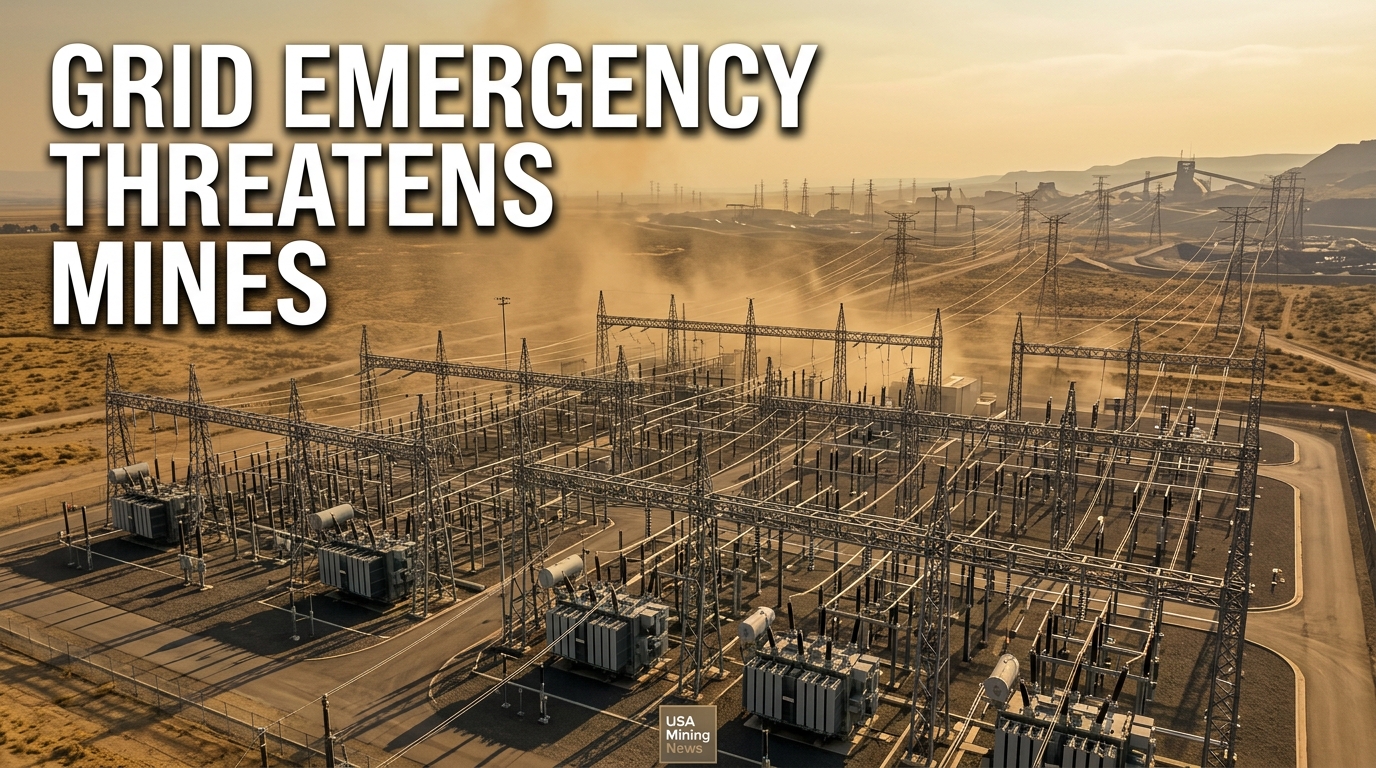
WASHINGTON – The U.S. Department of Energy (DOE) took decisive action on May 18, 2026, issuing an emergency order to stabilize the Mid-Atlantic power grid. This measure, prompted by a combination of unseasonably warm temperatures and prevailing transmission and generation outages due to seasonal maintenance, authorizes PJM Interconnection, LLC (PJM) to deploy critical backup generation resources. The order illuminates persistent challenges in ensuring grid resilience across the nation, an issue with profound implications for energy-intensive sectors such as the mining industry.
The move by Secretary Wright underscores the Trump administration’s commitment to leveraging all available power generation to safeguard American consumers and industries. For the mining sector, where continuous operation is not merely an efficiency goal but often a safety imperative, the reliability of the national power grid is a foundational element of operational planning and economic viability.
Immediate Action to Stabilize the Mid-Atlantic Grid
The emergency order, effective from May 18, 2026, through May 20, 2026, grants PJM Interconnection, LLC – one of the largest regional transmission organizations (RTOs) in North America, coordinating the movement of wholesale electricity in all or parts of 13 states and the District of Columbia – the authority to activate backup generation. This critical directive specifically targets resources at data centers and other major facilities within the Mid-Atlantic region, empowering PJM to call upon its Transmission Owners and Electric Distribution Companies to execute the order as needed. PJM’s request for this emergency action was formally submitted to the DOE on May 17, 2026, highlighting the immediate and pressing nature of the grid’s vulnerability.
U.S. Energy Secretary Wright articulated the administration's stance, stating, “The Trump administration is committed to unleashing all available power generation needed to keep Americans safe amid the heatwave. The Trump administration will continue taking action to ensure that untapped backup generation can be deployed in the mid-Atlantic region as needed during the heatwave and in the future.” This statement signals a broader policy direction focused on ensuring consistent access to affordable, reliable, and secure electricity across the nation, an objective that directly influences the operational landscape for domestic mining enterprises.
The Role of Backup Generation and Untapped Resources
The concept of deploying backup generation is not new, nor is its necessity. The DOE estimates that a staggering 35 gigawatts (GW) of unused backup generation capacity remains available nationwide. This vast reserve, often consisting of natural gas-fired turbines, diesel generators, or combined heat and power (CHP) systems, provides a critical safety net when primary grid infrastructure is stressed or incapacitated. The current order focuses on leveraging these resources, typically maintained by large commercial and industrial consumers, to prevent cascading failures that could lead to widespread blackouts.
For the mining industry, reliance on on-site backup generation or robust grid connections is a long-standing practice. Many remote mining operations, especially those producing critical minerals essential for national security and economic growth, are either off-grid or connected to vulnerable sections of the grid. Their ability to maintain continuous operations during power interruptions relies heavily on secure and readily available backup power. The national availability of 35 GW of "untapped" capacity suggests a broader potential for grid resilience that could, in principle, be applied to support strategic industrial loads, including mining operations, during peak demand or emergencies.
A Pattern of Vulnerability: Extreme Weather and Grid Stress
This is not an isolated incident. The DOE previously issued three emergency orders in February 2026 to avert blackouts and protect lives in Florida, where exceptionally low temperatures severely impacted the state’s electrical infrastructure. These events – first, extreme cold in Florida, and now, unseasonable heat in the Mid-Atlantic coupled with maintenance outages – paint a clear picture of a national grid increasingly susceptible to extreme weather events and routine operational challenges. Such vulnerabilities are costly: data from DOE’s National Laboratories indicates that power outages cost the American people an estimated $44 billion per year in economic losses, including lost productivity, damaged equipment, and supply chain disruptions.
The frequency and intensity of these grid emergencies underscore a pressing need for enhanced infrastructure hardening and smarter grid management. For the mining sector, this translates directly into higher operational risks and potential cost escalations. A large-scale mining operation, for instance, losing power for even a few hours, could face significant financial repercussions from suspended production, the complex and costly process of restarting heavy machinery, and potential safety hazards associated with ventilation, dewatering, and hoisting systems ceasing functionality in underground environments.
President Trump's declaration of a national energy emergency on “day one” following concerns about grid vulnerability, attributed to an “energy subtraction agenda,” frames the current actions within a broader policy narrative stressing energy independence and grid robustness. Regardless of the political rhetoric, the tangible impacts of grid instability on industrial operations, particularly in foundational sectors like mining, remain a clear and present threat.
Energy Policy and the Mining Industry: A Critical Interdependency
The nexus between national energy policy, grid stability, and the mining industry is profound and multifaceted. Mining operations are inherently energy-intensive, requiring substantial electricity for everything from crushing and grinding ore to ventilation, pumping, and processing critical minerals. A reliable and affordable power supply is not merely a convenience; it is a fundamental prerequisite for project feasibility, competitive operating costs, and global market positioning.
This emergency order, while focused on immediate residential and commercial needs, implicitly highlights the strategic importance of a resilient energy infrastructure for all industrial consumers. For U.S. mining companies, particularly those engaged in the extraction and processing of critical minerals – as outlined by the DOE’s Office of Critical Minerals and Energy Innovation, which recently announced over $45 million to support reliable and affordable domestic critical mineral and material supply chains – uninterrupted power is non-negotiable. Instability in the energy supply translates to:
- Increased Operational Costs: The need for redundant backup systems, higher electricity prices during peak demand, and potential penalties for non-compliance with demand-response programs.
- Production Disruptions: Loss of valuable output, particularly for continuous processes like beneficiation or smelting, impacting revenue and market share.
- Safety Concerns: Compromised ventilation in underground mines, failure of dewatering pumps leading to flooding, and loss of communication systems pose significant risks to personnel safety.
- Investment Deterrence: Potential investors evaluating new mining projects or expansions will factor in the reliability and cost of energy, making regions with unstable grids less attractive.
The very next press release from the DOE, dated May 19, 2026, announcing substantial funding to bolster domestic critical mineral supply chains, further emphasizes this interdependency. Developing these supply chains—crucial for everything from electric vehicles to defense technologies—demands an equally robust and secure energy infrastructure. These two facets of national policy are intrinsically linked: you cannot have a secure critical minerals supply without a secure energy supply.
Looking Ahead: Future of U.S. Energy Policy and Grid Resilience
The emergency order in the Mid-Atlantic serves as a stark reminder of the ongoing challenges facing the U.S. power grid and the critical need for continued investment and strategic policy. The Trump administration’s stated commitment to "unleashing all available power generation needed" and ensuring access to "affordable, reliable and secure electricity" suggests a focus on energy diversity and grid hardening initiatives.
For the mining industry, the future outlook will necessitate closer collaboration with utility providers and regulators to ensure their unique energy demands are met. This could involve exploring various strategies:
- On-Site Renewable Integration: Increased adoption of solar, wind, or geothermal power generation at mine sites, potentially coupled with battery storage, to enhance energy independence and reduce reliance on a potentially volatile grid.
- Microgrids: Development of localized microgrids that can operate independently of the main grid during outages, providing resilient power to key mine infrastructure.
- Advanced Demand Response: Participating in sophisticated demand-response programs that allow industrial consumers to strategically curtail non-essential load during peak demand, supported by robust communication and control systems.
- Advocacy for Infrastructure Investment: Supporting policies that promote significant federal and state investment in modernizing transmission and distribution networks to enhance overall grid reliability.
Ultimately, the emergency actions taken in the Mid-Atlantic are more than just a temporary fix for a localized problem. They are a potent indicator of the broader challenges inherent in maintaining a modern, reliable energy grid capable of supporting not only residential needs but also the foundational industries like mining that drive the U.S. economy and national security. For mining professionals and investors, these developments underscore the imperative of baking energy security and grid resilience deeply into every strategic and operational decision.