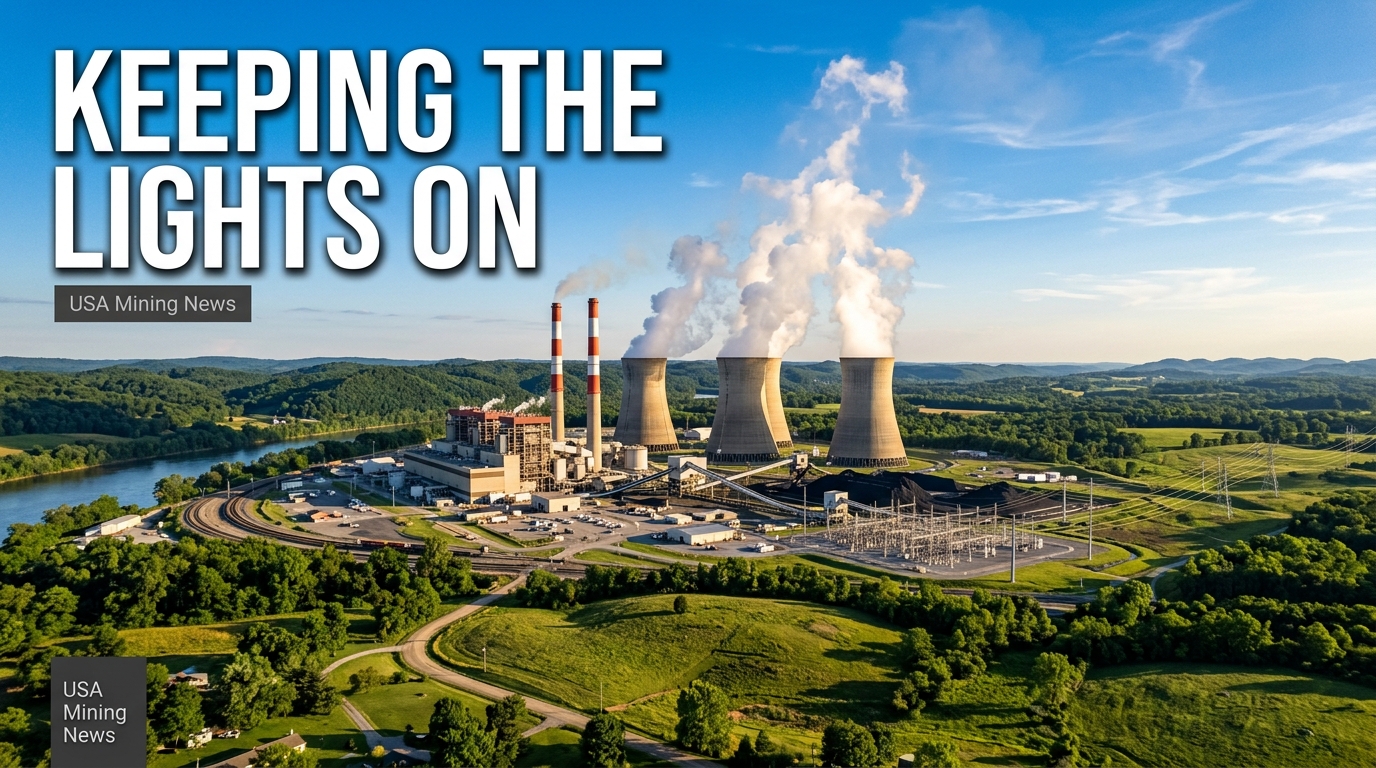
WASHINGTON – In a significant move to safeguard grid stability, U.S. Secretary of Energy Chris Wright on August 21, 2026, issued an emergency order compelling the continued operation of critical generation units in the Mid-Atlantic region. The directive specifically targets Units 3 and 4 of the Eddystone Generating Station in Pennsylvania, which were originally slated for retirement on May 31, 2025. This emergency measure, effective from August 23, 2026, through November 20, 2026, mandates PJM Interconnection L.L.C., in coordination with Constellation Energy Corporation, to ensure these units remain available to operate, utilizing economic dispatch principles to minimize costs for American consumers.
The Secretary’s action underscores a growing national concern regarding resource adequacy and the reliability of the nation’s electrical grid, particularly as traditional baseload generation assets are retired. The Mid-Atlantic, a densely populated and economically vital region, faces increasing demand pressures, especially during extreme weather events. This order highlights the strategic importance the Department of Energy (DOE) places on maintaining a diverse and robust generation portfolio capable of performing under challenging conditions.
Emergency Order Mandates Continued Operation for Grid Stability
The core of Secretary Wright’s emergency order is the prevention of what the DOE identifies as critical grid reliability issues. By instructing PJM Interconnection, the regional transmission organization (RTO) for 13 states and the District of Columbia, to keep Eddystone’s Units 3 and 4 operational, the Department is directly intervening to avert potential capacity shortages. These units, part of Constellation Energy Corporation's portfolio, represent crucial dispatchable capacity that would otherwise have been decommissioned over a year prior to the emergency order’s issuance.
The order is not merely about keeping megawatts on the grid; it also mandates the employment of economic dispatch. This standard practice in wholesale electricity markets ensures that power generation is sourced from the lowest-cost available units to meet demand, thereby striving to minimize expenses for consumers. However, in this context, it ensures that even though these units are kept online under an emergency mandate, their operation is still integrated into the market in a cost-efficient manner, subject to their availability and the needs of the grid.
PJM Interconnection and Constellation Energy: Key Players in a Critical Mandate
PJM Interconnection L.L.C. serves as a critical nexus for wholesale electricity markets and grid operations across all or parts of Delaware, Illinois, Indiana, Kentucky, Maryland, Michigan, New Jersey, North Carolina, Ohio, Pennsylvania, Tennessee, Virginia, West Virginia, and the District of Columbia. Managing the flow of electricity for over 65 million people, PJM’s role involves ensuring grid reliability, fair pricing, and efficient operations. The emergency order places a significant responsibility on PJM to integrate the Eddystone units into its dispatch protocols, balancing reliability needs with market principles. This coordination is essential for maintaining the delicate equilibrium of supply and demand across a vast and interconnected network.
Constellation Energy Corporation, a leading generator of carbon-free energy and the nation's largest producer of nuclear power, operates a diverse fleet of generation facilities. While the specific fuel type for Eddystone Units 3 and 4 is not detailed in the order, the Secretary’s broader comments emphasize the reliability of traditional baseload sources. Constellation’s compliance with this order signifies the industry’s cooperation with governmental directives aimed at securing critical energy infrastructure, even when those directives alter previously planned operational schedules and retirement timelines.
The Imperative of Resource Adequacy: A Growing National Concern
Secretary Wright articulated the core philosophy behind this emergency action, stating, “The energy sources that perform when you need them most are the most valuable.” He further elaborated, “During recent Mid-Atlantic heat waves, coal, natural gas, and nuclear kept the lights and air conditioners on. President Trump and the Energy Department are committed to keeping critical generation available when demand is highest, reducing the risk of blackouts and ensuring Americans have affordable, reliable, and secure power—regardless of whether the wind is blowing or the sun is shining.” This statement directly addresses the challenges posed by intermittent renewable energy sources and the ongoing need for dispatchable generation that can operate consistently, irrespective of weather conditions.
The DOE’s stance is reinforced by its own Resource Adequacy Report, which paints a stark picture of potential future grid instability. The report warns that power outages could escalate by a staggering 100 times by 2030 if the U.S. continues to retire reliable baseload power plants without adequate replacements. This critical assessment forms the backdrop for the emergency order, highlighting the immediate and long-term consequences of an accelerating energy transition that may not sufficiently prioritize grid resilience and operational flexibility.
Baseload Power and the Mining Sector: A Resurgent Dialogue
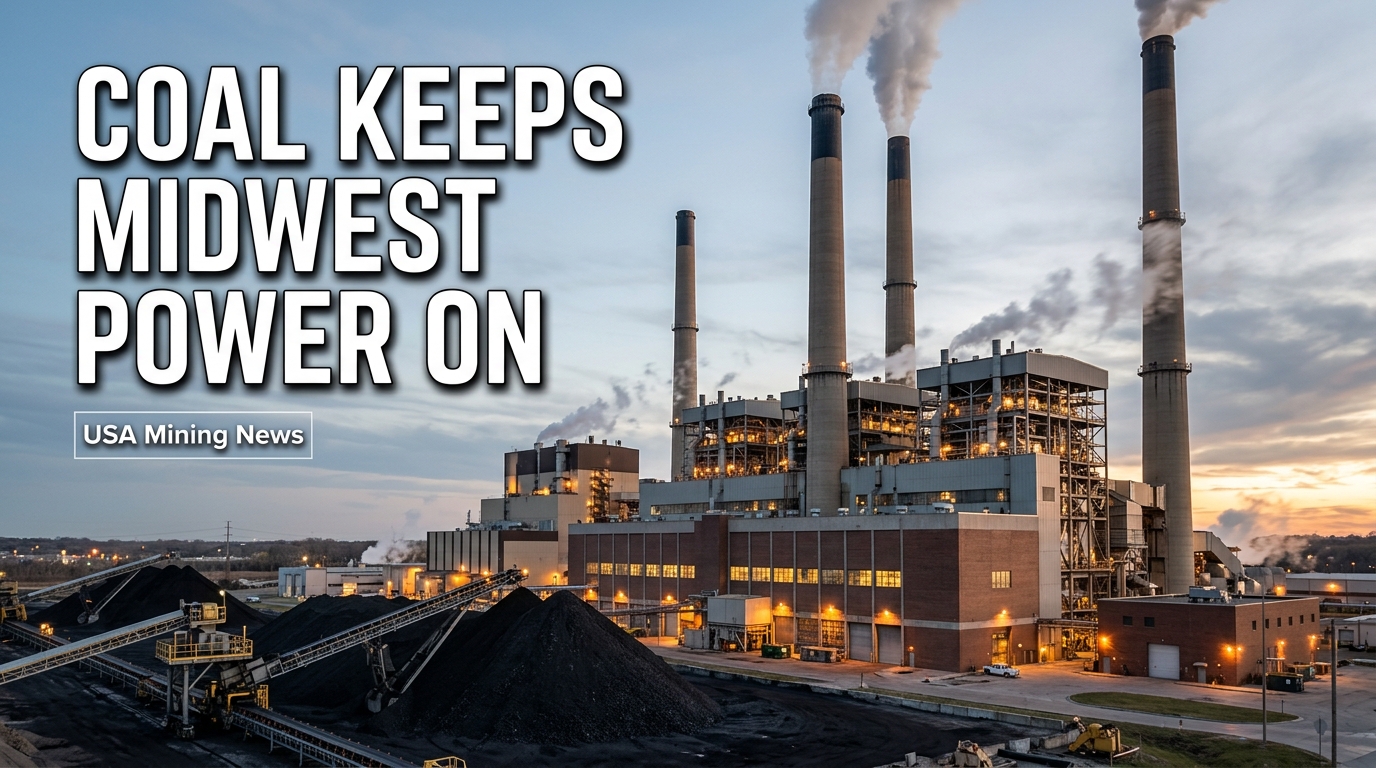
For the mining industry, particularly the thermal coal sector, Secretary Wright’s emergency order and accompanying statements send a clear signal. The explicit mention of coal alongside natural gas and nuclear as essential "energy sources that perform when you need them most" underscores a potential shift or at least a temporary pause in the aggressive push away from coal-fired power generation. While the overall trend for coal in electricity generation has been one of decline in many developed nations, this order suggests that reliability concerns may lead to policy interventions that temporarily stabilize or even bolster demand for thermal coal in specific regions.
The continued operation of Eddystone Units 3 and 4, if they are coal-fired, represents a direct demand for thermal coal during the specified period. Even if they utilize other fuels, the broader policy statement by Secretary Wright reaffirms the value of dispatchable, fuel-secure generation, a category in which coal plants have historically played a major role. This could translate into:
- Stabilized Demand: A temporary halt to further thermal coal plant retirements, or even directives for some plants to remain operational, could provide a floor for domestic thermal coal demand in key power-generating regions.
- Investment Signals: While unlikely to spur significant new mine development, such policy signals might encourage investment in maintenance and operational efficiency for existing coal mines and related infrastructure, ensuring they can meet any sustained or emergency demand.
- Policy Debate Reinvigoration: The order contributes to the ongoing national debate about the role of fossil fuels in the energy mix. It reinforces arguments from coal producers and advocates that coal remains a vital component of energy security and grid resilience, particularly when confronting extreme weather events or supply chain disruptions affecting other fuel sources.
For U.S. coal miners, whose industry has faced significant headwinds from environmental regulations, competition from natural gas, and the rise of renewables, any policy that champions the reliability of coal-fired generation offers a moment of strategic reconsideration. While metallurgical coal, used in steelmaking, operates on a different demand curve, the broader perception of coal’s role in national energy policy can influence investor sentiment and regulatory frameworks impacting the entire sector.
Economic Dispatch and Market Stability
The directive for PJM to employ economic dispatch is crucial. It means that while the Eddystone units are mandated to be available, they will not necessarily run continuously if cheaper generation sources can meet demand. Instead, they will be utilized strategically during periods of high demand or when other generation units are unavailable or more costly. This mechanism prevents the emergency order from creating undue market distortions or significantly increasing power prices beyond what is necessary to maintain grid stability.
However, the intervention itself highlights a tension between market autonomy and regulatory oversight. Under normal circumstances, market forces would determine the retirement of uneconomic plants. An emergency order, by definition, overrides these forces to prioritize reliability, implying that the market, left to its own devices, might lead to an insufficient supply of reliable capacity. This dynamic is a central theme in grid management today, as policymakers grapple with how to incentivize and retain critical baseload capacity in an evolving energy landscape.
Navigating the Energy Transition: A Complex Policy Landscape
The emergency order is indicative of the current administration’s approach to energy policy, which prioritizes "affordable, reliable, and secure power." This focus suggests a cautious stance on accelerating the retirement of traditional generation, emphasizing the need for a stable transition that does not compromise immediate grid integrity. The timeframe of the order – a specific, several-month window from late summer through late autumn – also suggests a targeted intervention designed to mitigate seasonal risks, rather than a permanent reversal of energy trends.
This decision contributes to the broader dialogue around the energy transition. While many states and utilities are committed to decarbonization goals, the frequency of extreme weather events and the increasing strain on an aging grid infrastructure are forcing a reevaluation of what constitutes a "reliable" and "resilient" energy system. The emergency order on Eddystone is a tangible example of how these reliability concerns are translating into policy action, even if temporary, to ensure the lights stay on for millions of Americans.
Conclusion: A Precedent for Reliability
Secretary Chris Wright's emergency order to keep Eddystone Generating Station's Units 3 and 4 operational is a direct response to immediate grid reliability challenges in the Mid-Atlantic. It sends a powerful message that the Department of Energy, under President Trump, is committed to leveraging all available resources, including traditional baseload power, to ensure energy security and prevent blackouts. For the mining industry, particularly thermal coal producers, this intervention, however temporary, underscores the enduring value placed on dispatchable generation and the potential for reliability concerns to temporarily reshape energy policy. As the nation continues its energy evolution, the delicate balance between decarbonization goals and the unwavering demand for a stable, affordable, and resilient power grid will remain a central and highly debated issue.