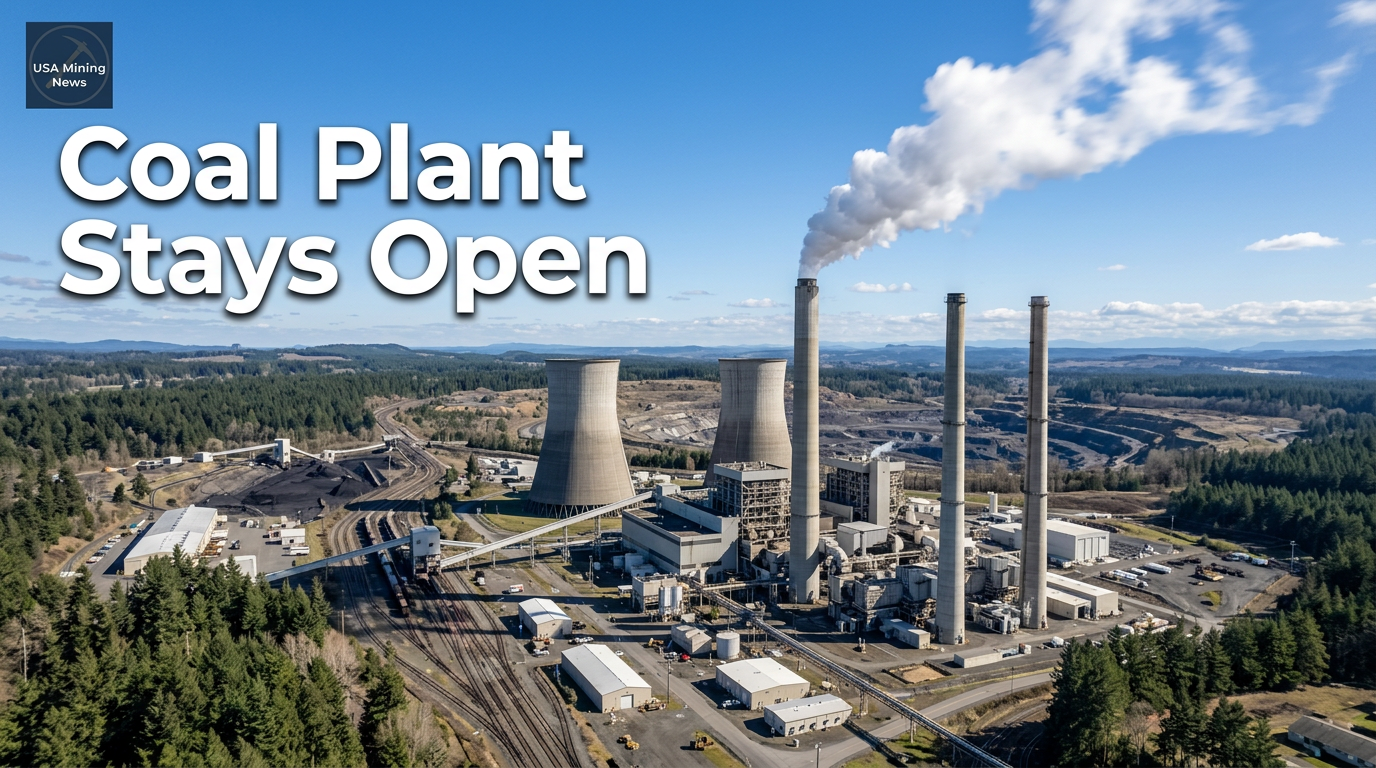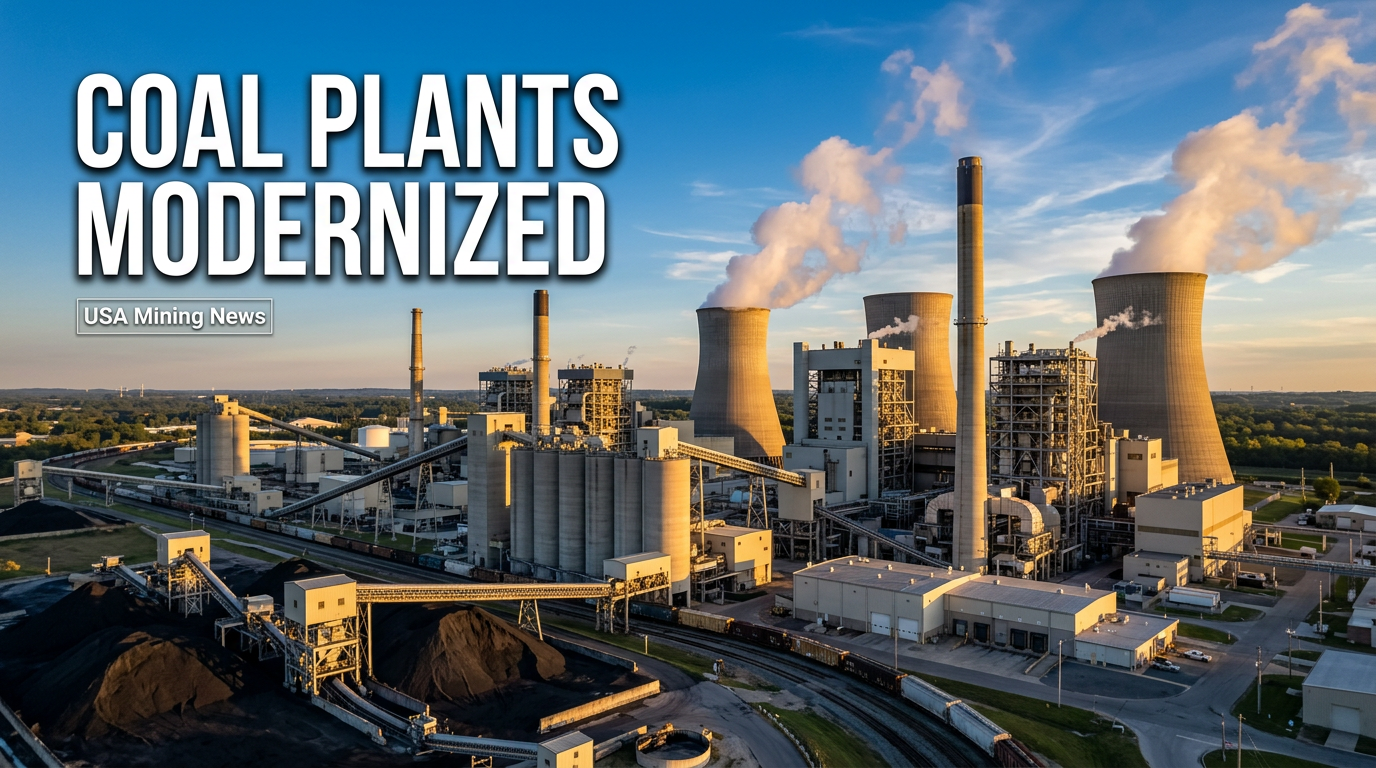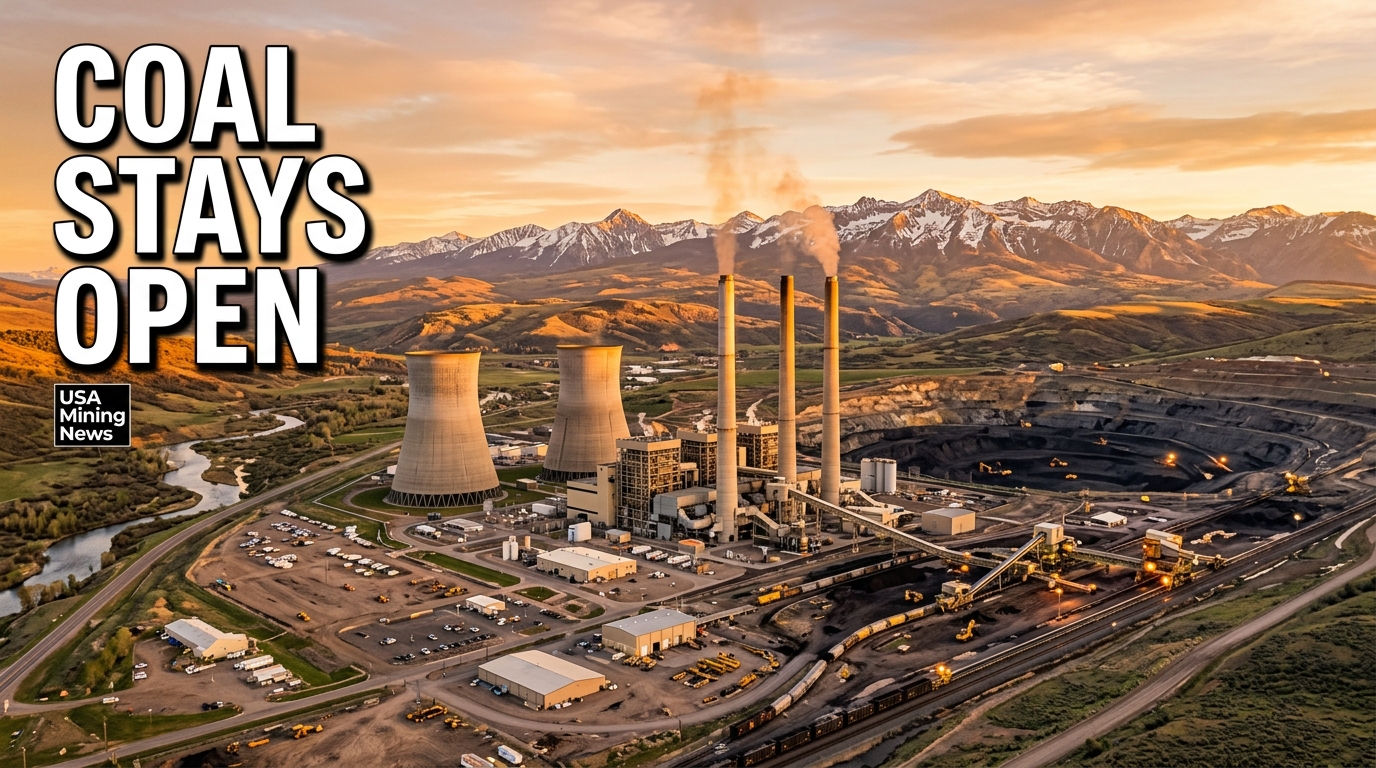
The intricate balance of power generation, grid stability, and environmental imperatives continues to shape the landscape of the U.S. energy sector. In a development with profound implications for energy policy and the domestic coal mining industry, U.S. Secretary of Energy Chris Wright, on March 30, 2026, issued an emergency order mandating the continued operation of Unit 1 at the Craig Station coal plant in Craig, Colorado. This directive, designed to ensure Americans maintain access to affordable, reliable, and secure electricity, represents a decisive intervention in the planned retirement of conventional baseload generation, a trend that has significantly impacted the thermal coal market over the past decade.
Emergency Order Ensures Colorado Coal Plant's Continued Operation
The emergency order specifically directs Tri-State Generation and Transmission Association (Tri-State), Platte River Power Authority, Salt River Project, PacifiCorp, and Public Service Company of Colorado (Xcel Energy), in coordination with the Western Area Power Administration (WAPA) Rocky Mountain Region and Southwest Power Pool (SPP), to take all necessary measures to keep Unit 1 at the Craig Station operational. This unit was originally scheduled for shutdown at the end of 2025. However, Secretary Wright had already issued an emergency order on December 30, 2025, to Tri-State and its co-owners to ensure Unit 1 remained available to operate, effectively postponing its retirement.
The latest order, effective from March 31, 2026, through June 28, 2026, explicitly overrides the previous decommissioning timeline, highlighting a federal commitment to maintaining specific fossil fuel assets deemed critical for grid reliability. The Craig Station, a significant baseload generation facility in the Western Interconnection, plays a crucial role in providing consistent power to the region, particularly during peak demand periods or when intermittent renewable sources are not producing at full capacity. The decision to keep Unit 1 online underscores a growing federal concern over potential power shortfalls and the consequences of an accelerated transition away from conventional energy sources.
A Policy Shift Under the Trump Administration
Secretary Wright articulated the driving philosophy behind this intervention, stating, “The last administration’s energy subtraction policies threatened America’s energy security and positioned our nation to likely experience significantly more blackouts in the coming years—thankfully, President Trump won’t let that happen.” This statement frames the order within a broader political narrative that challenges the rapid phase-out of fossil fuel-based generation in favor of renewables. The Secretary emphasized the administration's commitment to preventing the loss of "critical generation sources," asserting that Americans deserve continuous access to affordable, reliable, and secure energy, irrespective of weather conditions affecting renewable output.
According to the Department of Energy (DOE), this policy stance has already yielded substantial results nationwide. In 2025 alone, the Trump Administration's leadership is credited with saving more than 17 gigawatts (GW) of coal-power electricity generation across the country from planned retirements. This figure represents a significant reversal of a decadal trend where numerous coal-fired power plants were either retired prematurely or converted to other fuels due to economic pressures, stricter environmental regulations, and competition from natural gas and renewable energy sources. For the U.S. coal mining industry, these policy shifts represent a vital lifeline, stemming the tide of declining domestic demand for thermal coal.
The Critical Role of Coal in Grid Reliability
The decision to halt the Craig Station's Unit 1 retirement directly addresses concerns about grid stability. The DOE’s Resource Adequacy Report warned that blackouts were on track to potentially increase 100 times by 2030 if the U.S. continued to prematurely retire reliable power generation. This stark projection reinforces the anxieties expressed by the North American Electric Reliability Corporation (NERC), whose 2025 Long-Term Reliability Assessment cautioned that “the continuing shift in the resource mix toward weather-dependent resources and less fuel diversity increases risks of supply shortfalls during winter months.”
Coal-fired power plants, like Craig Station, are traditionally considered "baseload" resources. They are designed to run continuously, providing a consistent and predictable supply of electricity, which is critical for maintaining grid frequency and voltage stability. Their fuel, coal, can be stockpiled on-site, providing a secure energy supply that is not immediately dependent on real-time weather conditions for solar and wind, or pipeline infrastructure for natural gas. This "fuel diversity" is increasingly recognized as essential for national energy security, particularly as extreme weather events place unprecedented stress on the grid.
The Colorado case highlights the challenge facing grid operators: how to transition to a cleaner energy future without compromising the foundational reliability provided by existing assets. The temporary nature of the current order for Craig Unit 1 suggests that while immediate reliability concerns are paramount, the long-term energy mix remains a subject of intense debate and evolving policy.
Operational and Market Implications for the Western Grid
A key operational aspect of the emergency order involves the Southwest Power Pool (SPP). On April 1, following the integration of Tri-State and the WAPA Rocky Mountain Region into the SPP RTO West expansion, SPP is directed to take every step to employ economic dispatch to minimize costs to ratepayers. An RTO (Regional Transmission Organization) is an independent organization that coordinates, controls, and monitors a multi-state electricity grid. The SPP RTO West expansion aims to optimize transmission and generation across a broader footprint, enhancing efficiency and reliability.
Economic dispatch is a fundamental principle in electricity markets, referring to the process of assigning generation output to various power plants to meet demand at the lowest possible cost, considering operational constraints. By mandating SPP to utilize economic dispatch for Craig Unit 1 and other resources, the order seeks to ensure that even while keeping a unit online that was slated for retirement, its operation is optimized to avoid undue cost burdens on consumers. This integration into a larger, centrally managed market like SPP is intended to leverage regional resources more effectively, providing benefits that might include reduced congestion, improved reliability, and potentially lower overall energy costs for ratepayers within the expanded SPP footprint.
Impact on the U.S. Coal Mining Sector
For the U.S. coal mining industry, the emergency order for Craig Station Unit 1 and the broader policy shift under the Trump Administration signify a crucial period of reprieve and re-evaluation. The continued operation of these plants directly translates into sustained demand for thermal coal, the primary product of many U.S. coal mines. The Craig Station, fed by regional coal mines, particularly from the Powder River Basin in Wyoming and Colorado's own coal fields, contributes directly to the economic viability of these operations.
The reported saving of over 17 GW of coal-power generation in 2025 represents a substantial boost for a sector that has faced continuous headwinds. To put this into perspective, a single gigawatt of coal-fired capacity can consume roughly 2.5 to 3.5 million tons of thermal coal annually. Thus, 17 GW represents an aggregate annual demand ranging in the tens of millions of tons of coal, translating into hundreds of millions, if not billions, of dollars in revenue for coal companies. This sustained demand directly supports thousands of jobs in mining operations, equipment manufacturing, rail transportation, and associated service industries across coal-producing states.
This policy intervention sends a clear signal to coal producers and investors that, at least in the short to medium term under the current administration, coal remains a valued component of the national energy strategy. It may encourage limited capital investments in maintaining existing mine infrastructure, preserving employment, and potentially stabilizing prices for thermal coal that might otherwise have continued to soften under retirement pressures. While the industry acknowledges that the long-term global trend may still lean towards decarbonization, these policy decisions provide critical breathing room and reinforce coal's strategic importance for energy security.
Future Outlook and Challenges
The emergency order for Craig Unit 1 is temporary, set to expire on June 28, 2026. This limited duration underscores the ongoing tension between immediate grid reliability needs and long-term energy transition goals. As the country approaches future elections and administrative changes, the fate of such emergency orders and the broader policy direction for both conventional and renewable energy sources will undoubtedly remain a central debate.
The challenges ahead are multifaceted. For utilities, balancing compliance with federal mandates and state-level decarbonization goals presents a complex regulatory and financial tightrope walk. For the mining industry, while the current policy offers a much-needed boost, it also highlights the vulnerability of the sector to shifts in political tides. Long-term investment decisions in mining, infrastructure, and workforce development require greater certainty than short-term emergency orders can provide.
Ultimately, the Trump Administration's proactive stance on preserving coal-fired generation capacity, as exemplified by the Craig Station order, signals a foundational commitment to energy reliability and affordability. This approach directly impacts the viability of the U.S. coal mining sector, offering a strategic imperative for its continued, albeit potentially evolving, role in America's energy future.