WASHINGTON, D.C. – In a move underscoring the escalating challenges to grid reliability and energy affordability across the United States, the U.S. Department of Energy (DOE) announced on June 18, 2026, that it has issued emergency orders to compel the continued operation of two key coal-fired power plants in Indiana. These directives mandate that specific generation units at both the R.M. Schahfer and F.B. Culley generating stations, originally slated for retirement at the end of 2025, remain available to provide essential electricity to the Midwest region. This decision, spearheaded by U.S. Secretary of Energy Chris Wright, is a direct response to what the DOE characterizes as critical grid stability issues, persistent emergency conditions, and the imperative to deliver affordable and reliable electricity to American consumers and businesses.
DOE Intervenes to Secure Midwest Grid Stability
The emergency orders, which take effect on June 22, 2026, and extend through September 19, 2026, build upon previous directives issued by the DOE on December 23, 2025. These earlier orders had already demonstrated the critical role of the R.M. Schahfer and F.B. Culley plants, particularly during periods of exceptionally high energy demand and when intermittent renewable energy sources produced low output. A prime example cited by the DOE was the plants’ indispensable operation during Winter Storm Fern, an event that put immense strain on the Midwest’s energy infrastructure.
U.S. Secretary of Energy Chris Wright articulated the administration's rationale, stating, “Taking reliable generation off the grid compromises energy reliability and needlessly raises energy costs for Americans. During peak summer demand, Midwesterners deserve continued access to affordable, reliable, and secure energy to power and cool their homes.” The orders specifically direct three key entities—the Northern Indiana Public Service Company (NIPSCO), CenterPoint Energy, and the Midcontinent Independent System Operator, Inc. (MISO)—to undertake all necessary measures to ensure the continued availability and operation of the designated coal units. This intervention highlights the significant federal oversight being exerted over regional utility and grid operator decisions, particularly when energy security is deemed at risk.
Persistent Reliability Concerns in MISO Region
The DOE's actions are not arbitrary but are grounded in a series of alarming assessments regarding the stability of the MISO service area, which spans much of the central United States. MISO, as an independent system operator, is responsible for managing the flow of electricity across this vast region, balancing supply and demand in real-time. The DOE's own Resource Adequacy Report has sounded a stark warning: power outages could increase by an astonishing 100 times by 2030 if the U.S. continues its current trajectory of taking reliable power generation offline without adequate replacements.
These internal analyses are corroborated by external industry bodies. The North American Electric Reliability Corporation (NERC), an organization responsible for ensuring the reliability of the North American bulk power system, has repeatedly cautioned about impending shortfalls. In its 2025 Long-Term Reliability Assessment, NERC noted grimly that “projected resource additions do not keep pace with escalating demand forecasts and announced generator retirements.” Further exacerbating these concerns, NERC’s 2026 Summer Reliability Assessment specifically pointed to the MISO region, observing that load growth there “is expected to accelerate in 2027 and beyond, which may lead to increased reliability risk in the future if resource additions cannot keep pace with rising load forecasts.” These assessments collectively paint a picture of an electric grid facing increasing vulnerability, making the retention of baseload generation capacity a critical, albeit often controversial, policy lever.
The Broader Context: A National Push to Retain Coal Power
The current emergency orders in Indiana are not an isolated incident but rather indicative of a broader energy policy emphasis under the Trump Administration. The administration has made clear its commitment to preserving and even expanding traditional energy sources, particularly coal, to ensure what it terms "energy dominance" and grid reliability. This national initiative has already yielded quantifiable results; in 2025 alone, the administration's efforts reportedly saved more than 17 gigawatts of coal-power electricity generation from premature retirement across the country.
This policy stance directly challenges the prevailing trends of energy transition, where environmental regulations and economic pressures have historically driven utilities to retire coal plants in favor of natural gas and renewable energy sources. However, the DOE and the administration argue that the pace of this transition, particularly the retirement of dispatchable, baseload generation, has outstripped the capacity of new resources to adequately replace them, leading to grid fragility. The emergency orders for NIPSCO and CenterPoint Energy’s coal plants underscore this philosophy, prioritizing immediate grid robustness and consumer cost stability over long-term decarbonization plans that might otherwise dictate accelerated coal plant closures.
Economic and Operational Implications for Indiana and Beyond
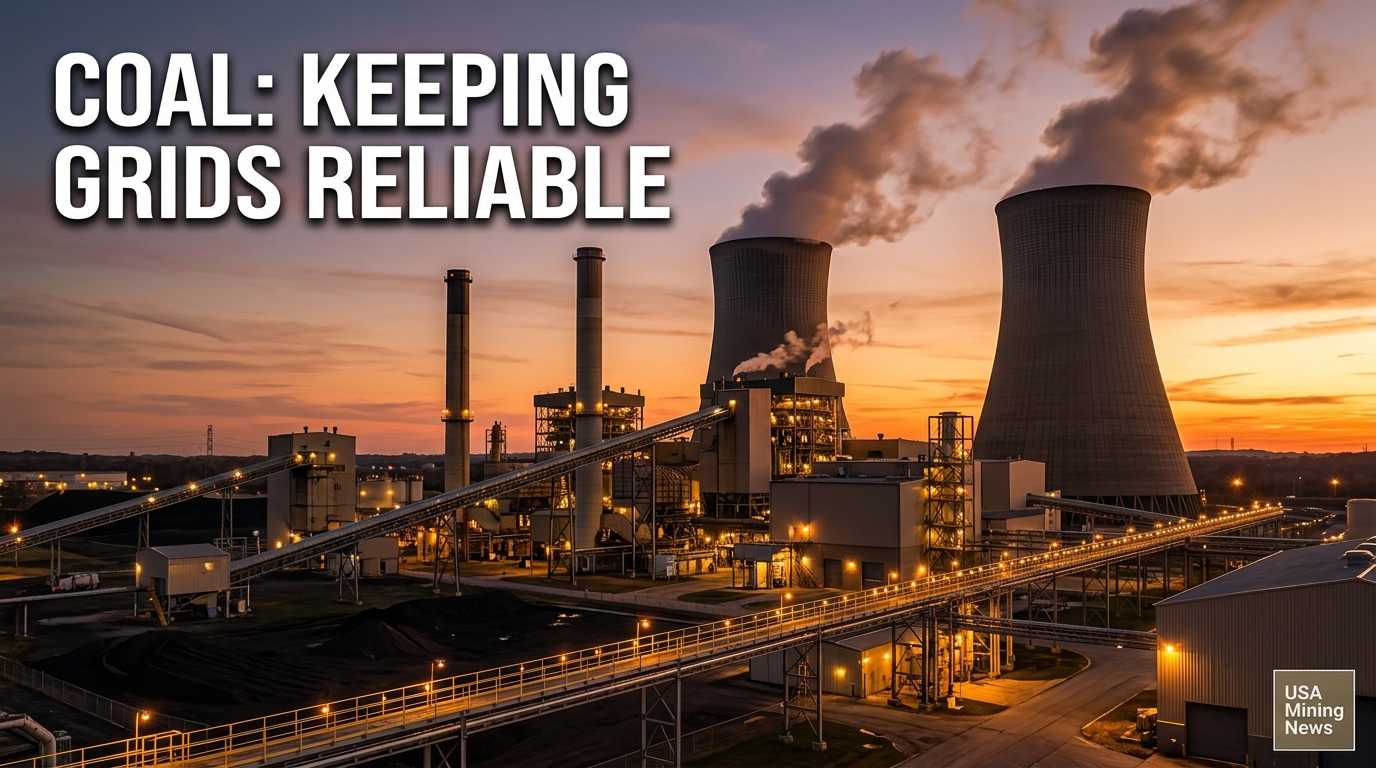
The direct impact of these emergency orders on Indiana is significant. For residents and businesses in the Midwest, the continuation of operations at R.M. Schahfer and F.B. Culley is intended to translate into minimized electricity costs and a substantially reduced risk of power outages, particularly during the peak summer months when air conditioning loads strain the grid. Coal-fired power plants traditionally offer baseload generation, providing a steady, continuous supply of electricity that is less susceptible to weather fluctuations than intermittent renewable sources like solar and wind.
For NIPSCO and CenterPoint Energy, the directives present a complex operational challenge. While planned retirements allow for systematic decommissioning and workforce transition, an emergency order to remain operational likely necessitates additional investment in maintenance, staffing, and fuel procurement to ensure the plants can meet the mandated availability. This could create tension between corporate sustainability goals and federal reliability mandates. For MISO, the orders integrate a vital and proven source of power into its operational plans for the summer, providing a stronger buffer against potential energy shortfalls. However, it also highlights the systemic issues MISO faces in maintaining resource adequacy within its expansive footprint.
Impact on the Mining Sector: A Lifeline for Coal Production
For the coal mining industry, these emergency orders, though temporary, send a profoundly important signal. The continued operation of plants like R.M. Schahfer and F.B. Culley directly translates into sustained demand for thermal coal. In a sector that has faced continuous headwinds from environmental regulations, competition from natural gas, and the rise of renewables, any policy that preserves coal demand is considered a critical lifeline. Coal mining companies in Indiana, Illinois, Kentucky, and other coal-producing states within economic proximity to the Midwest stand to benefit from the continued fuel procurement for these units.
Investors in the mining sector will view these actions as tangible evidence that, despite long-term trends, coal remains an indispensable component of the U.S. energy mix in the near-to-medium term. It could influence investment decisions in existing mine operations, encouraging maintenance of equipment and workforce, even if new mine development remains cautious. This sustained demand, even if temporary, provides a degree of stability and predictability that has been largely absent from the coal market for years, offering a brief reprieve and an opportunity for strategic recalibration within the industry.
Future Outlook: Navigating Energy Transitions and Reliability Demands
The current emergency orders are in effect for a defined period, concluding on September 19, 2026. This raises critical questions about the long-term energy strategy for the Midwest and the nation. Will additional emergency orders be necessary as critical infrastructure ages and demand continues to climb? The underlying issues highlighted by NERC – insufficient new generation capacity and accelerating load growth – suggest that these challenges are structural and will persist beyond the immediate summer season.
The ongoing tension between rapid energy transition goals and the immediate imperative of grid reliability is likely to remain a central theme in U.S. energy policy. While the D.O.E.'s actions provide a short-term solution to avoid blackouts and manage costs, they also underscore the complex and often competing priorities involved in managing a diverse and evolving energy portfolio. For the mining industry, these developments highlight the critical role that traditional energy sources continue to play, even as the global energy landscape undergoes profound transformation, signaling that the need for reliable, dispatchable power continues to provide pockets of opportunity and demand for coal resources.