Forging the Future: Vale and ABB Partner for Advanced Automation in Brazilian Iron Ore Operations
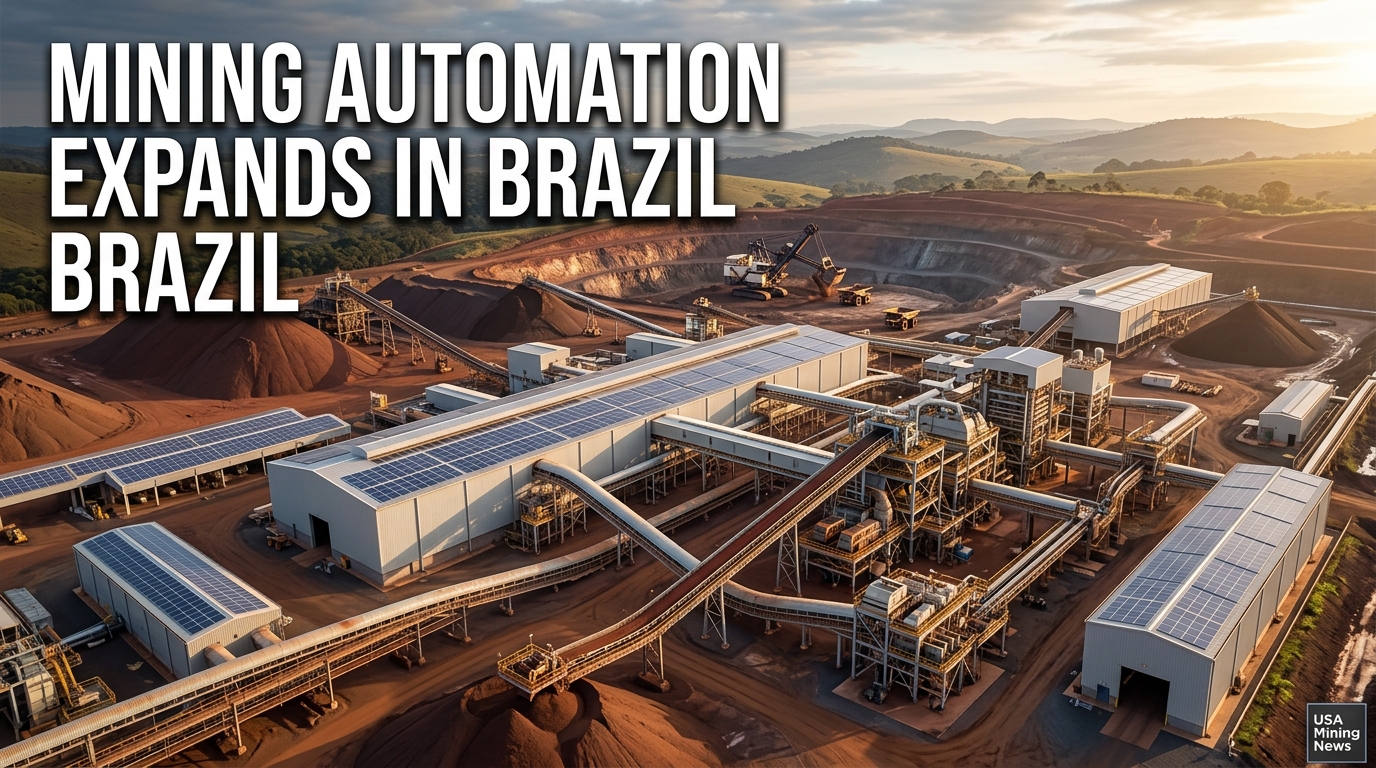
In a significant move poised to redefine efficiency and sustainability in the global iron ore sector, Brazilian mining behemoth Vale and Swiss-Swedish industrial technology pioneer ABB have formalized a strategic partnership. This collaboration, announced on August 13, 2026, is designed to propel the comprehensive development and deployment of advanced automation, digitalization, and integrated information technology/operational technology (IT/OT) solutions across Vale’s extensive iron ore processing operations throughout Brazil. The agreement underscores a concerted effort to enhance safety, elevate productivity, and bolster sustainability practices in mineral production, drawing directly from the demonstrable success achieved at Vale’s trailblazing Conceição II Model Plant.
This initiative represents more than just a technological upgrade; it is a fundamental pillar of Vale’s overarching "Mining of the Future" strategy, a long-term vision aimed at transforming its operations through innovation. By systematically integrating cutting-edge digital tools and autonomous systems, Vale seeks to establish a new paradigm for operational excellence, resource utilization, and environmental stewardship. For ABB, this partnership further solidifies its position as a critical enabler of digital transformation in the mining industry, leveraging its deep expertise in automation and industrial electrification.
The Blueprint for Innovation: Conceição II Model Plant
The genesis of this expansive partnership lies in the highly successful collaboration between Vale and ABB at the Conceição II Model Plant, located in Itabira, Minas Gerais. Inaugurated in June 2026, this facility is not merely an operational site but a living laboratory—Vale’s first high-tech and artificial intelligence (AI)-enabled iron ore plant. It serves as the central project within the company's "Mining of the Future" strategy, embodying the ambitious goals set for the next generation of mining operations.
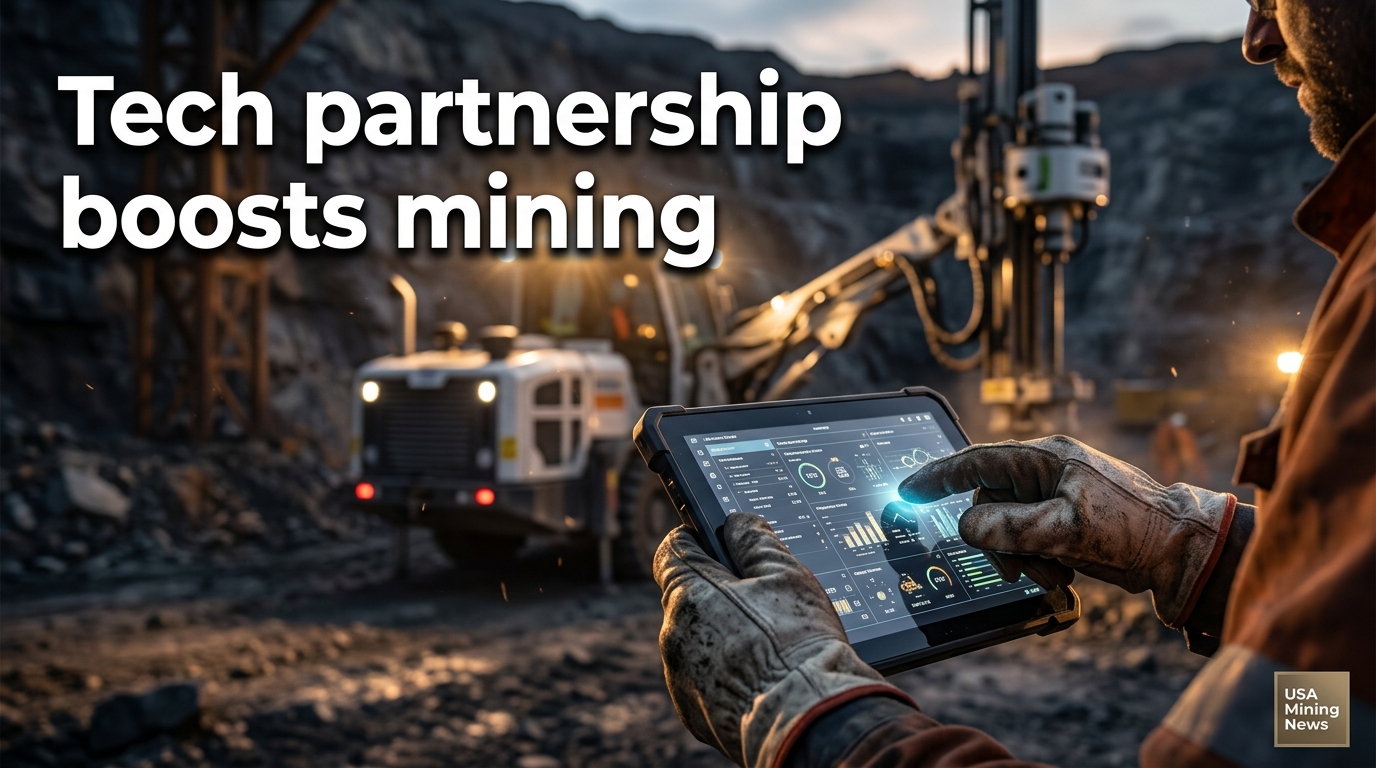
At Conceição II, ABB assumed a multifaceted role, acting as a crucial consultant, a leading technology provider, and a systems integrator. Its contributions focused specifically on advanced automation, digitalization, and the critical integration of IT and OT systems. This integration is paramount in modern industrial environments, bridging the gap between traditionally separate business-level information systems and the real-time control systems governing physical processes. The successful convergence of these domains allows for unprecedented levels of data collection, analysis, and decision-making.
The technological overhaul at the 11.2 million tonnes per year facility was extensive and meticulously executed. Key installations included:
- Over 100 monitoring cameras, providing comprehensive visual oversight of operations.
- More than 7,000 automated instruments, encompassing measurement devices and an array of sensors, designed for precise data acquisition across all stages of ore processing.
These hardware components are complemented by sophisticated software layers. Analytical data tools are now employed to meticulously oversee, regulate, and continuously enhance more than 400 variables throughout the entire ore processing sequence. This level of granular control and real-time data analysis allows for dynamic adjustments, optimizing everything from material flow to energy consumption. Furthermore, the design of operational processes underwent a significant reassessment. This proactive approach aims to predict potential faults before they occur and, consequently, minimize unexpected stoppages—a notorious source of productivity loss and increased operational costs in large-scale mining.
Tangible Benefits: Performance Metrics and Operational Impact
The deployment of these advanced digital solutions at the Conceição II Model Plant has yielded impressive and quantifiable results, validating Vale’s strategic investment and providing a compelling case for broader replication:
- Productivity Increase: The site has witnessed a substantial 25% rise in productivity. This significant boost translates directly into increased output from existing assets, lowering per-unit production costs and enhancing overall operational efficiency. In an industry where margins can be tight and commodity prices volatile, such an improvement offers a crucial competitive advantage.
- Enhanced Premium Ore Production: Production of premium ore specifically for direct reduction processes has surged by 40%. Premium iron ore, characterized by its higher iron content and lower impurities, commands a higher market price and is increasingly sought after by steelmakers, particularly those employing direct reduced iron (DRI) processes. As the global steel industry increasingly shifts towards decarbonization, with DRI-based green steel emerging as a key pathway, the ability to produce more high-quality feedstock positions Vale advantageously in a evolving market.
- Reduced Iron Losses in Tailings: The amount of iron lost in tailings—the waste material remaining after the valuable minerals have been extracted—has fallen by an impressive 26%. This reduction has dual benefits: economically, it means more valuable iron is recovered from the same amount of mined material, improving resource utilization and reducing waste. Environmentally, it signifies a more efficient and sustainable mining practice, reducing the volume of waste requiring disposal and potentially mitigating the long-term environmental footprint of operations.
- Improved Safety: The pervasive automation and advanced monitoring capabilities have significantly reduced the need for manual interventions in high-risk areas. This directly contributes to safer operations by minimizing personnel exposure to heavy machinery, hazardous environments, and repetitive tasks that can lead to human error or injury. Worker safety remains a paramount concern across the mining industry, and technological solutions that directly address this are highly valued.
Carlos Medeiros, Vale’s Operations Vice-President, underscored the profound impact of these advancements. “The Model Plant Project has shown that new technologies, such as artificial intelligence, improve employee safety and increase productivity, operational efficiency and quality in mining,” Medeiros stated. He further emphasized the strategic intent: “Now, we are going to take this learning to other Vale operations, increasing the predictability of processes, improving the use of mineral resources and reducing people’s exposure to risky activities.” This statement highlights Vale’s commitment not only to technological adoption but also to leveraging proven successes for widespread operational transformation.
Strategic Vision: Vale’s Mining of the Future and Broader Implications
The partnership with ABB and the subsequent replication plan for the Conceição II Model Plant’s technology are integral to Vale’s bold "Mining of the Future" strategy. This ambitious roadmap envisions a mining sector characterized by enhanced safety, environmental responsibility, and optimized resource recovery, all driven by digital innovation. For a company of Vale’s stature, a global leader in iron ore production, investing heavily in such transformation is not merely about incremental improvements; it is about securing a competitive edge in an increasingly complex and demanding global market.
The broader implications for the mining industry are significant. As major players like Vale demonstrate the tangible benefits of large-scale digital transformation, it sets a powerful precedent for other mining companies worldwide. The successful integration of AI, IoT (Internet of Things) devices, and advanced data analytics offers a compelling case study for addressing common industry challenges such as operational inefficiencies, escalating costs, stringent regulatory requirements, and the imperative for sustainable practices. The focus on improving safety through reduced manual intervention also resonates deeply within an industry historically challenged by occupational hazards.
Furthermore, the increased production of premium ore and the reduction of iron losses speak directly to the growing global demand for higher-quality raw materials and the push towards a circular economy. Steelmakers are under increasing pressure to reduce their carbon footprint, making premium iron ore that requires less energy in processing more attractive. By improving resource utilization and reducing waste, Vale is not only optimizing its own operations but also contributing to the broader sustainability goals of the supply chain it feeds.
ABB’s Role in Industrial Transformation
ABB’s robust involvement in this partnership highlights its leading capabilities in industrial automation and digitalization. The company’s Automation division is singularly focused on automating, electrifying, and digitalizing industrial operations across a diverse range of sectors, with mineral production being a key area of expertise. Their comprehensive offerings span from advanced control systems and robotics to software solutions for process optimization and asset management.
This partnership with Vale is also reflective of ABB's continuous innovation in the mining sector. For instance, in June 2026, the same month Conceição II was inaugurated, ABB launched Grinding Connect, a digital service suite specifically designed for mining operators utilizing gearless mill drive (GMD) systems. This platform provides insights and predictive maintenance capabilities, further demonstrating ABB’s commitment to providing sophisticated tools that enhance operational reliability and efficiency in core mining processes.
Outlook and Future Impact
The strategic partnership between Vale and ABB marks a pivotal moment for both companies and for the broader mining industry. The intention to replicate the proven technological systems of the Conceição II Model Plant across multiple Vale iron ore facilities in Brazil signals a comprehensive, phased rollout that will significantly elevate the operational landscape of one of the world's largest iron ore producers. This expansion is expected to generate widespread improvements in safety, productivity, and sustainability across a larger segment of Vale’s portfolio, cementing its position as a leader in technologically advanced and responsible mining.
For the mining sector at large, this collaboration provides a potent example of how strategic alliances between mining companies and technology providers can accelerate the adoption of "Mining 4.0" principles. The measurable benefits reported at Conceição II—a 25% increase in productivity, a 40% surge in premium ore for direct reduction, and a 26% reduction in iron losses—serve as a compelling business case for digital transformation. As these technologies are scaled, they are likely to drive further innovation and foster a more competitive, resilient, and environmentally conscious global mining industry. The future of iron ore production, shaped by intelligence and automation, is rapidly unfolding in the heart of Brazil.