Americas Uranium Secures Treeline Project, Poised for Exploration in New Mexico’s Storied Uranium Belt
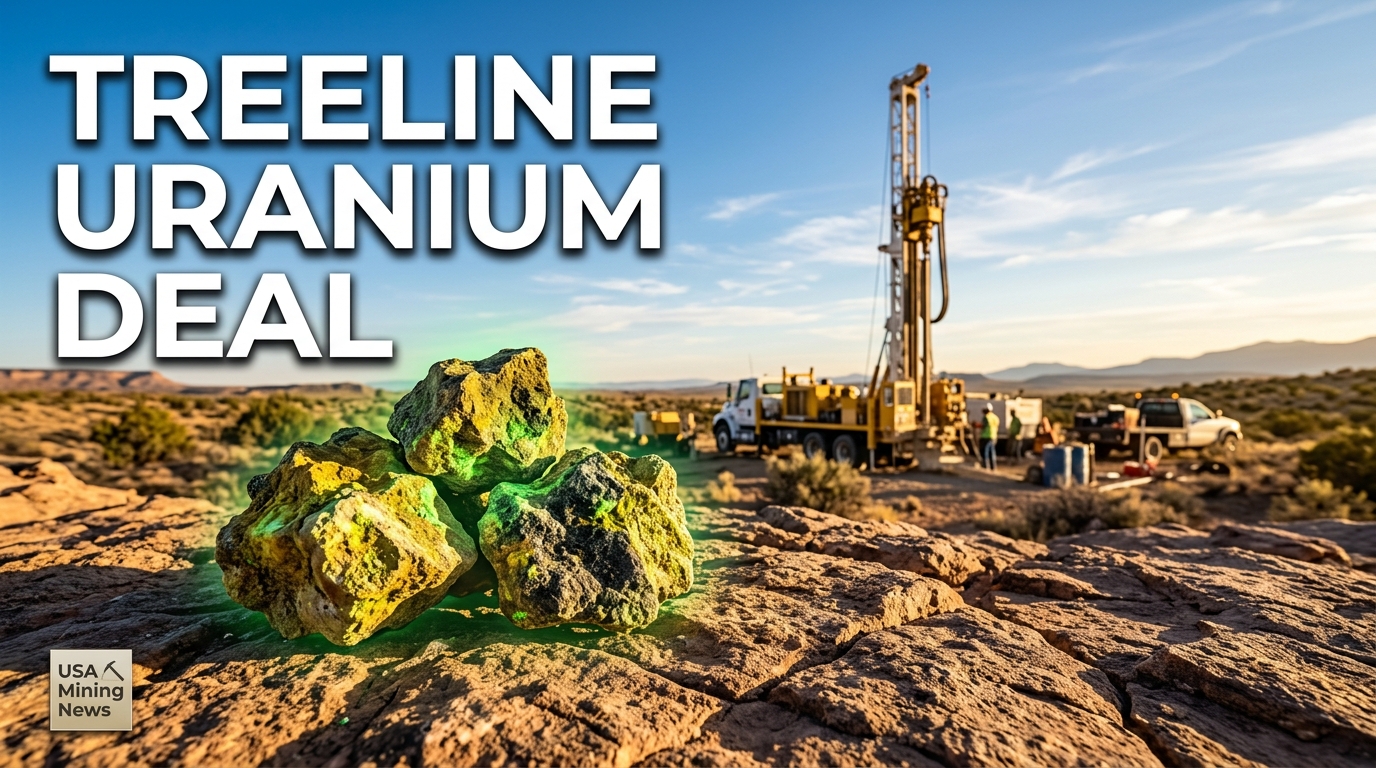
Denver, CO – September 25, 2026 – Americas Uranium has officially completed its acquisition of a 100% interest in the Treeline uranium property, a significant development that expands the company’s footprint into New Mexico, a state with a rich history of uranium production in the United States. The transaction, finalized with Verdera Energy and its wholly-owned subsidiary, NM Energy, positions Americas Uranium to embark on a new phase of active exploration within the counties of Cibola and McKinley, historically important areas within the Grants Mineral Belt.
The successful closing of this mineral property purchase agreement, which was previously announced, represents a strategic move for Americas Uranium to capitalize on the increasing global demand for uranium. By securing a prospective property in a jurisdiction known for its uranium endowment, the company aims to contribute to the domestic supply chain and strengthen its portfolio in a resurgent nuclear energy market.
Strategic Acquisition in a Key Uranium Jurisdiction
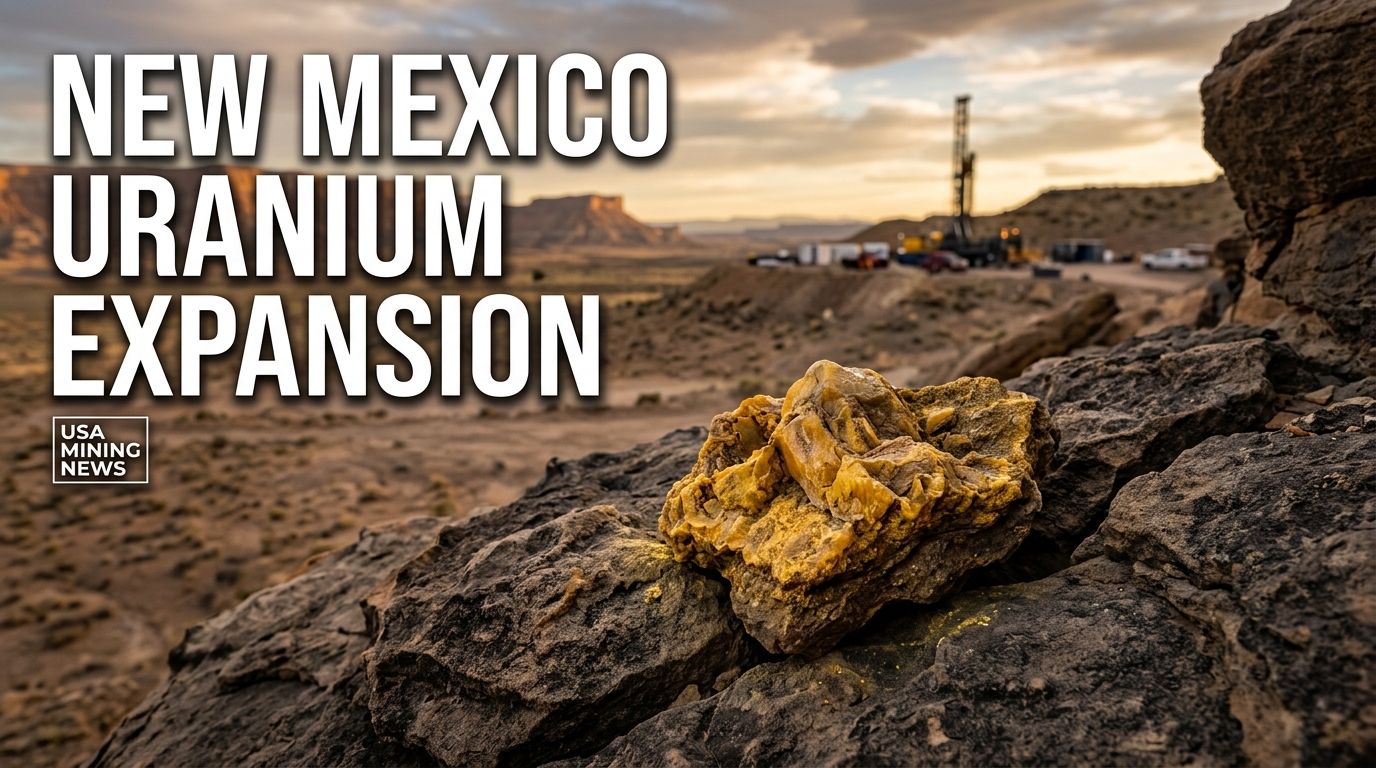
The Treeline uranium property is strategically located in New Mexico, a state synonymous with past uranium booms in the United States. For decades, the Grants Mineral Belt, encompassing areas like Cibola and McKinley counties, was a prolific producer, supplying substantial quantities of uranium to power the nation’s growing nuclear fleet and defense programs. While production declined during periods of lower commodity prices and increased regulatory scrutiny, the underlying geology remains highly prospective for various uranium deposit types, including sandstone-hosted roll-front deposits characteristic of the region.
Americas Uranium conducted this acquisition through its newly established Nevada subsidiary, NUCA Energy, signaling the company's commitment to building a robust operational presence within key North American mining states. The choice of New Mexico for a significant acquisition reflects a broader industry trend of re-evaluating historical uranium districts with modern exploration techniques, driven by renewed interest in nuclear power as a cornerstone of clean energy transition strategies globally.
The property’s location in Cibola and McKinley counties provides a strong foundation for future exploration efforts. These counties benefit from established mining infrastructure, although existing facilities would require re-evaluation and potential upgrades for any future development. More importantly, the geological understanding of the region, derived from extensive historical work, offers a crucial head start for Americas Uranium’s technical teams.
Financials and Transaction Details
The financial framework of the Treeline acquisition is structured to provide staged payments, aligning the seller's interests with the future success of the project. Under the terms of the agreement, Americas Uranium made an initial payment to Verdera Energy consisting of both cash and shares:
- Cash Payment: A sum of $100,000 was paid in cash at closing.
- Initial Share Issuance: Americas Uranium issued 701,754 common shares at a deemed price of $0.285 per share. This initial issuance represents a value of $141,612, equivalent to C$200,000. These shares are subject to a standard hold period of four months and one day from the closing date of September 25, 2026, a common regulatory requirement for private placements or acquisitions involving share issuances.
- Total Share Consideration: The initial share issuance represents a component of a larger aggregate share consideration totaling C$2 million, payable under the agreement.
- Staged Share Payments: The remaining C$1.8 million in share payments will be distributed in further stages over the next 36 months, providing a structured payment schedule that ties Americas Uranium's financial obligations to a manageable timeframe post-acquisition.
Beyond the direct payments, the agreement also incorporates important royalty provisions and future considerations:
- Verdera Energy Royalty: Verdera has been granted a 1.5% royalty on the property. This royalty is a common mechanism in mineral property transactions, allowing the original owner to retain a long-term financial interest in the project's future production.
- Americas Uranium Royalty Buy-Back Option: Americas Uranium holds an option to buy back one-third of Verdera’s 1.5% royalty for a single payment of C$400,000. This option provides Americas Uranium with flexibility to reduce future royalty obligations if the project proves to be highly successful and profitable. The ability to exercise this option at any time after the closing date offers strategic financial planning advantages.
- Existing Royalty Arrangements: The Treeline facility is also subject to pre-existing royalty arrangements from a previous agreement between Verdera and enCore Energy. These include a 2% net proceeds royalty on uranium and a 2% net smelter returns (NSR) royalty on other minerals that might be discovered and produced from the property. These existing royalties will need to be factored into future economic assessments and project planning by Americas Uranium.
- Right of First Refusal: Americas Uranium has secured a right of first refusal over certain adjacent property interests held by Verdera. This provides a crucial strategic advantage, allowing Americas Uranium the first opportunity to acquire these assets if Verdera decides to sell or transfer them in the future. Such a provision is vital for potential project expansion and consolidation of land holdings around a central discovery.
Industry Context: New Mexico's Uranium Legacy and Resurgence
New Mexico holds a significant place in the history of global uranium production. The state's Grants Mineral Belt was once the largest uranium mining district in the United States, producing hundreds of millions of pounds of uranium concentrate. Operations in the region peaked in the 1970s and early 1980s, driven by the burgeoning nuclear power industry. The geological characteristics of the area, particularly its permeable sandstones, made it amenable to both conventional underground mining and, more recently, in-situ recovery (ISR) methods, which extract uranium by dissolving it in the ground and pumping it to the surface, potentially offering a lower-cost and environmentally less disruptive extraction method.
The current global uranium market is experiencing a significant resurgence, driven by several interconnected factors. Governments worldwide are increasingly recognizing nuclear power's critical role in achieving decarbonization targets and ensuring energy security. The push towards net-zero emissions has invigorated interest in extending the lifespan of existing nuclear reactors, building new advanced reactors, and exploring small modular reactors (SMRs). This renewed commitment to nuclear energy is creating a strong, long-term demand outlook for uranium. Concurrently, supply-side challenges, including geopolitical instability affecting major producers like Kazakhstan and operational issues at mines in Canada and Australia, have created a tightening market. This supply-demand imbalance has led to a notable appreciation in uranium spot and long-term contract prices over recent years.
For a company like Americas Uranium, acquiring a property in a proven uranium district like New Mexico is a strategic play to position itself to meet future demand. Access to domestic uranium resources is becoming a priority for many nations, including the United States, to reduce reliance on foreign supply chains and enhance national energy security. The Treeline acquisition directly aligns with this broader industry narrative, as companies look to de-risk their supply strategies by investing in North American assets.
Operational Outlook and Exploration Strategy
Following the closing of the acquisition, Americas Uranium is poised to transition from historical data review to active, on-the-ground exploration. Nicholas Luksha, President and CEO of Americas Uranium, underscored this pivotal shift: "Closing the Treeline acquisition marks an important milestone for Americas Uranium and gives us the opportunity to move from reviewing the historical work to actively advancing exploration on the property."
The immediate priority for Americas Uranium's technical team will be to meticulously compile and integrate all available historical geological, geophysical, and drilling data. This process is crucial for developing a "modern geological framework," as highlighted by Luksha. A modern framework involves leveraging advanced geological modeling software, refined understanding of uranium deposit genesis, and potentially new geophysical techniques to reinterpret past findings. This will enable the identification of high-priority targets for subsequent exploration phases.
The Treeline property is understood to contain "multiple areas that warrant further evaluation," suggesting diverse prospectivity. Such areas could include extensions of known historical mineralization, previously underexplored zones, or new geological targets identified through reinterpretation of existing data. Initial exploration activities would typically involve detailed geological mapping, radiometric surveys, geochemical sampling, and potentially airborne geophysical surveys to identify subsurface anomalies indicative of uranium mineralization. These activities would then guide targeted drilling programs designed to confirm and delineate resources. The ultimate goal is to define an NI 43-101 compliant mineral resource estimate, a critical step for demonstrating the economic viability of a uranium project to investors and regulators.
Strategic Implications for Americas Uranium and the Sector
The acquisition of the Treeline project represents a significant step in Americas Uranium's growth trajectory. It diversifies its project portfolio, adds a material asset in a geopolitically stable and historically productive jurisdiction, and provides a clear path for resource development. For the broader mining industry, this acquisition underscores the increasing tempo of M&A activity within the uranium sector. As the demand outlook for uranium strengthens, companies with strong balance sheets and strategic vision are actively consolidating assets to position themselves for future production.
This trend is not merely about acquiring land; it is about securing critical minerals that are essential for the global energy transition. Uranium, as the fuel for nuclear power, plays a unique and irreplaceable role in providing baseload, carbon-free electricity. Therefore, investments in projects like Treeline are not just corporate strategies; they are also integral to national energy policies and environmental objectives.
The Road Ahead: Milestones and Market Watch
The immediate future for Americas Uranium will involve the diligent execution of its exploration strategy at Treeline. Key milestones will include:
- Completion of historical data compilation and the development of a modern geological framework.
- Identification of specific drill targets.
- Permitting for initial exploration drilling programs.
- Commencement of drilling and release of assay results.
- Potential estimation of an initial mineral resource.
Investors and industry observers will be closely watching Americas Uranium's progress on the Treeline project. Positive exploration results, particularly the identification of economically viable uranium mineralization, could significantly enhance the company's valuation and strategic importance within the North American uranium sector. The company's ability to efficiently advance the project through the exploration and resource definition phases will be critical to realizing the full potential of this strategic acquisition.
In conclusion, Americas Uranium’s 100% acquisition of the Treeline uranium property is a forward-looking move in a robust and evolving global energy landscape. It leverages New Mexico’s rich uranium legacy, capitalizes on the positive market sentiment for nuclear energy, and sets the stage for active exploration that could potentially unlock new domestic uranium resources, thereby contributing to the future energy security and sustainability goals of the United States and beyond.