A Landmark Alliance: U.S. and Bangladesh Forge Strategic Energy Partnership
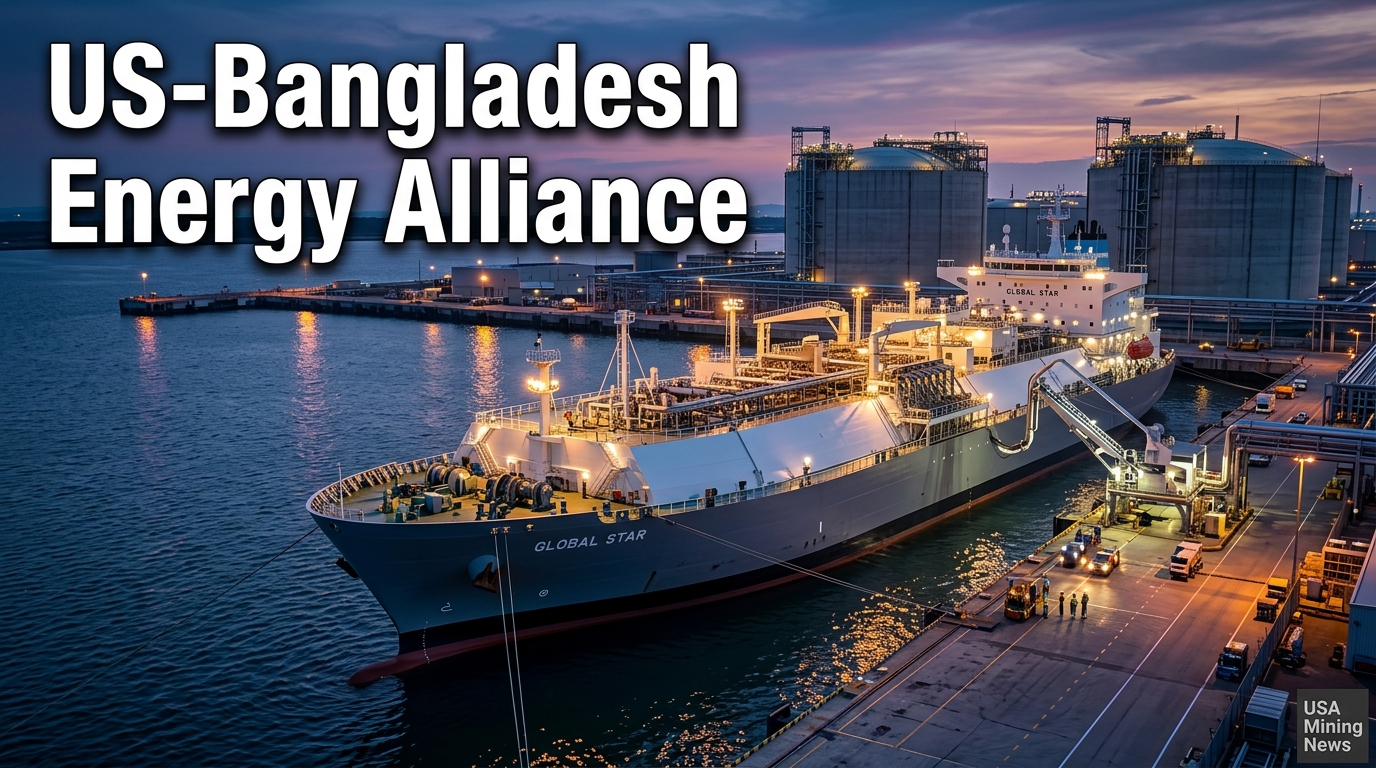
In a significant move poised to reshape energy dynamics in South Asia and amplify the global reach of American energy exports, the United States and the People’s Republic of Bangladesh formally cemented a strategic energy cooperation agreement. On May 14, 2026, in Washington, D.C., the U.S. Department of Energy (DOE) and the Energy and Mineral Resources Division of Bangladesh signed a Memorandum of Understanding (MOU), establishing a framework for advanced collaboration on energy resources, infrastructure development, and long-term energy security. This pivotal agreement, driven by the U.S. administration's commitment to energy dominance and strengthening global partnerships, is projected to unlock millions of dollars in investment and project opportunities across Bangladesh’s burgeoning energy sector, with profound implications for the mining industry supporting these ambitious endeavors.
Driving Global Energy Security and Economic Growth
The MOU represents a critical step in the U.S. strategy to leverage its abundant energy resources for geopolitical and economic advantage, while simultaneously addressing the pressing energy needs of allied nations. U.S. Secretary of Energy Chris Wright, alongside Bangladesh’s Honorable Foreign Minister Khalilur Rahman, co-signed the agreement, signaling a high-level commitment from both nations. Secretary Wright underscored the broader vision, stating, “Thanks to President Trump’s leadership, the United States is advancing strategic partnerships that expand American energy exports and strengthen global energy security. This agreement marks a historic development in the U.S.-Bangladesh relationship and reflects our shared commitment to unleashing affordable, reliable, and secure American energy to drive peace and prosperity at home and abroad.”
For Bangladesh, a rapidly developing nation with a growing population and significant industrial expansion, ensuring a stable and diversified energy supply is paramount. The increasing demand for power for industrial processes, cleaner cooking solutions for households, and overall economic growth has led Bangladesh to seek reliable international partners. This MOU positions the United States as a primary strategic ally in fulfilling these requirements, promising to enhance Bangladesh’s import capabilities for key energy commodities while supporting its journey towards industrialization and improved living standards.
The Substance of Cooperation: Fuel Diversification and Infrastructure
The core of the MOU focuses on three interconnected pillars: energy infrastructure, fuel diversification, and supply chain sustainability. These areas are designed to create a resilient and diversified energy ecosystem within Bangladesh, less susceptible to global market volatility and supply disruptions.
- Energy Infrastructure: The agreement aims to facilitate the development and upgrade of critical energy infrastructure in Bangladesh. This includes facilities for importing, storing, and distributing various energy products. Such projects necessitate substantial capital investment and rely heavily on robust engineering, procurement, and construction (EPC) capabilities.
- Fuel Diversification: A key objective is to increase Bangladesh’s imports of U.S. energy products. Specifically, the agreement highlights Liquefied Natural Gas (LNG), Liquefied Petroleum Gas (LPG), and various petroleum products. Beyond fossil fuels, the MOU also includes provisions for cooperation in developing geothermal energy and bioenergy, signaling a commitment to a broader, cleaner energy mix in the long term. This diversification reduces reliance on any single energy source and enhances energy security.
- Supply Chain Sustainability: This aspect emphasizes the importance of secure, reliable, and environmentally responsible supply chains for energy commodities. For both countries, ensuring the integrity and long-term viability of these supply chains is crucial, extending from resource extraction to final consumption.
The "millions of dollars" in energy-related projects and investment opportunities facilitated by this MOU will span the entire energy value chain. From upstream exploration and production support to midstream transportation and processing, and downstream distribution and consumption, the scope for collaboration is extensive, promising significant transactional activity and fostering a long-term economic partnership.
The Mining Industry's Indispensable Role
While the immediate focus of the MOU is on energy cooperation, its implications for the global mining industry are profound and far-reaching. Every facet of the proposed energy infrastructure development and fuel diversification strategy is intrinsically linked to the demand for mined commodities.
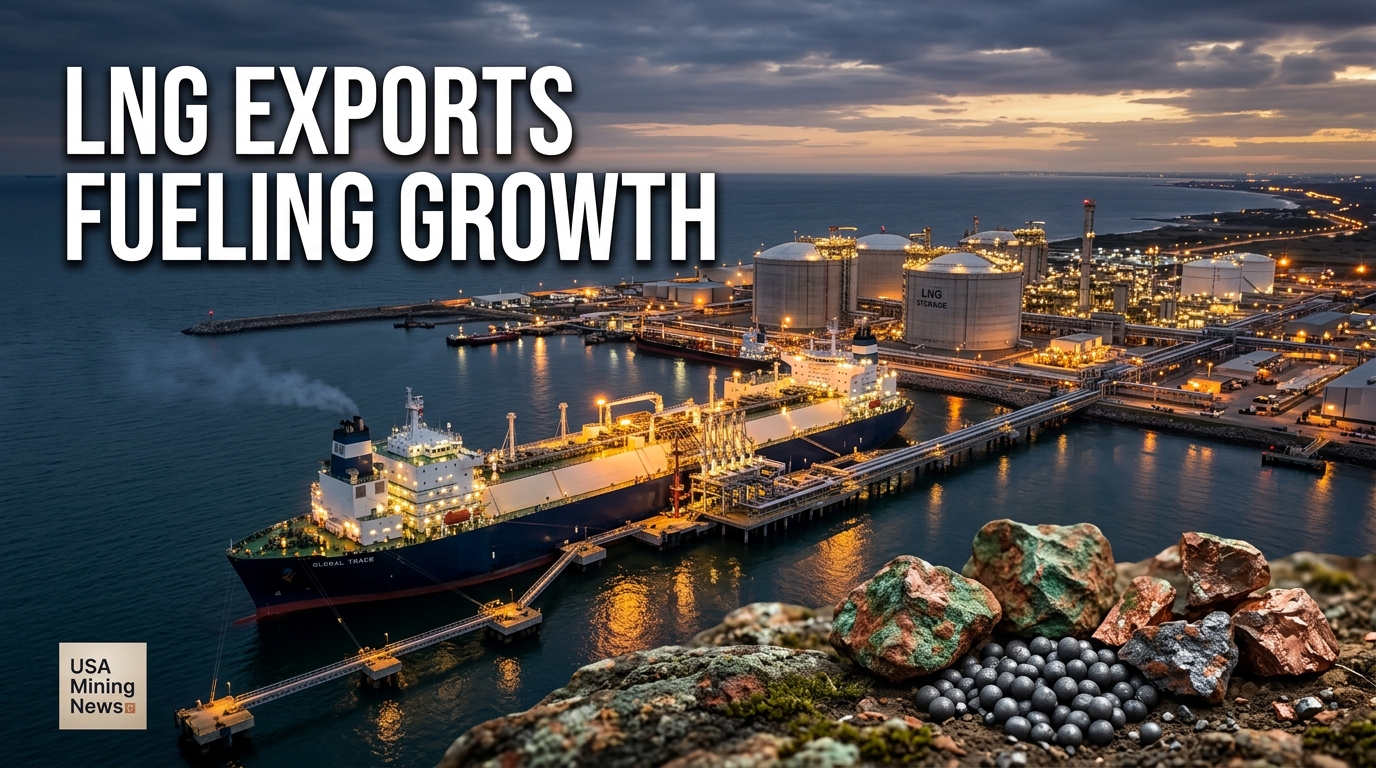
Consider the requirements for enhancing LNG and LPG imports. The construction of new LNG import terminals, regasification plants, and extensive pipeline networks to distribute natural gas across Bangladesh will necessitate vast quantities of various raw materials.
- Iron Ore and Steel: Pipelines, storage tanks, structural foundations for terminals, and process equipment are predominantly made from steel. This directly translates to significant demand for iron ore, which is smelted to produce steel, as well as coking coal required in the steelmaking process.
- Copper: Modern energy infrastructure, including power generation facilities, electrical grids, and automated control systems within terminals and plants, relies heavily on copper for wiring, electrical components, and heat exchangers due to its excellent conductivity. Expanded power access and industrial development will further escalate copper demand.
- Aggregates: Concrete, a fundamental building material, requires sand, gravel, and crushed stone. Large-scale construction projects for terminals, foundations, and associated civil works will consume millions of tons of these aggregates.
- Nickel and Other Alloys: Specialized steels and alloys, often containing nickel, chromium, and molybdenum, are essential for corrosive-resistant applications and cryogenic equipment used in LNG facilities, which operate at extremely low temperatures.
Furthermore, the MOU’s inclusion of geothermal energy and bioenergy development opens new avenues for mineral demand. Geothermal projects require unique drilling technologies and specialized materials for steam pipes, turbines, and power plants, pulling on metals like titanium and various steel alloys that can withstand high temperatures and corrosive underground environments. Bioenergy projects, involving biomass processing plants and agricultural infrastructure, will also require significant quantities of construction materials and specialized machinery components, many of which are metal-intensive.
Beyond direct construction, the overarching goal of industrial development and long-term economic growth in Bangladesh will inherently drive demand for a broader spectrum of minerals. As industries expand and urbanization progresses, the need for construction materials, industrial metals, and even critical minerals used in advanced technologies will escalate, creating sustained opportunities for the global mining sector.
Market Implications and Global Shifts
For the United States, this agreement reinforces its position as a leading global energy exporter, particularly for LNG. The U.S. has invested heavily in liquefaction capacity, and securing long-term markets like Bangladesh is crucial for maintaining this trajectory. Bangladesh's increased imports of U.S. LNG will likely influence global LNG trade flows, potentially leading to new shipping routes and contractual arrangements, thereby strengthening the U.S.'s role in global energy security.
The emphasis on "supply chain sustainability" also carries significant weight for the mining industry. As global scrutiny on environmental, social, and governance (ESG) factors intensifies, ensuring responsible sourcing of minerals becomes paramount. This aspect of the MOU could indirectly encourage ethical mining practices and transparent supply chains for the raw materials ultimately used in these bilateral energy projects, aligning with broader industry trends towards sustainability.
Looking Ahead: Implementation and Future Prospects
The MOU establishes a framework, but the true impact will materialize through the concrete projects and investments it facilitates. The next steps will involve detailed technical discussions, feasibility studies, and commercial negotiations between U.S. and Bangladeshi entities. The agreement’s provision for facilitating "millions of dollars" in projects is likely an initial conservative estimate, with successful early initiatives having the potential to attract much larger, multi-billion-dollar investments as the partnership matures and expands.
This strategic alignment between the U.S. and Bangladesh holds the promise of transforming Bangladesh's energy landscape, boosting its industrial capacity, and enhancing regional stability. For the mining sector, it signals a clear demand driver for a wide array of commodities over the coming decades. Companies involved in resource extraction, processing, and equipment manufacturing that facilitate large-scale infrastructure stands to benefit significantly from the ripple effects of this expanded energy cooperation. As the world transitions and diversifies its energy sources, the foundational role of mined materials remains undeniable, making agreements like this a critical indicator for future commodity demand.
The U.S.-Bangladesh energy cooperation agreement is more than a bilateral deal; it is a testament to the interconnectedness of global energy initiatives, economic development, and the indispensable role of the mining industry in building the future.